
shows-comics-novels
What Is the Climax of Of Mice and Men?

What Is the Climax of Of Mice and Men?
In John Steinbeck’s novella Of Mice and Men, set against the backdrop of the Great Depression, protagonists George Milton and Lennie Small chase the American Dream on a California ranch. Most people remember the ending because it hits like a brick. But if you’re trying to pin down the climax, the key moment comes a little earlier.
If you’re searching for the Of Mice and Men climax, it’s the barn scene where Lennie accidentally kills Curley’s wife. That’s the instant the story can’t turn back, and every hope in the book starts to collapse.
After that, the novella sprints toward tragedy. The reason is simple, that scene changes everything.
The short answer: the climax happens in the barn
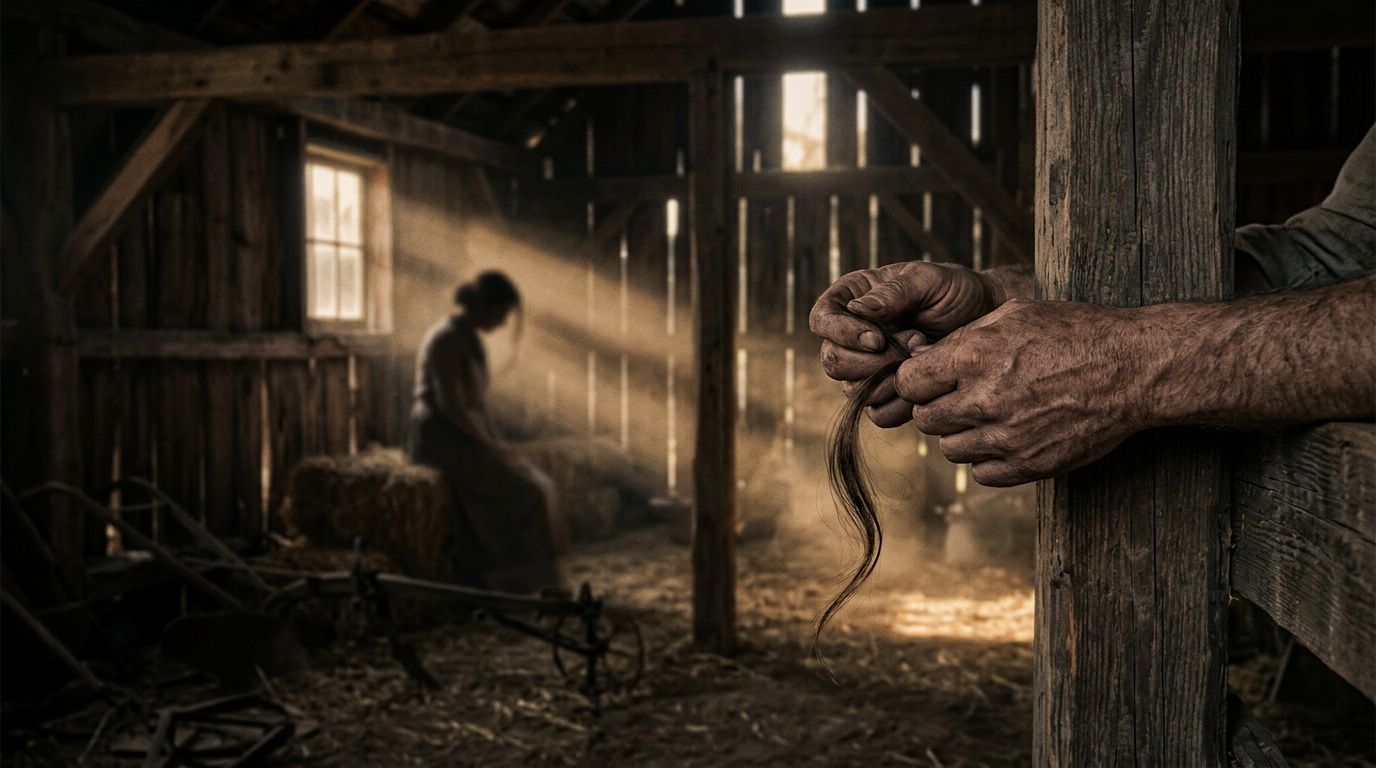
In plain terms, the climax occurs when Lennie Small, scared after Curley’s wife screams, grabs her hair in his obsession with soft things and accidentally kills her by snapping her broken neck in the barn. Up to that point, George Milton still believes he can manage Lennie Small’s mistakes. After that, he can’t.
George Milton has spent the whole novella acting like a handler, a brother, and a clean-up crew. The barn scene ends that role. He stops asking how to fix the mess and starts thinking about how to spare Lennie Small from something worse.
This scene matters because it flips the book from hope to doom in seconds. The farm dream, which has floated through the novella like a warm little promise and briefly drawn in Candy, Crooks, and even Slim, suddenly goes dark. Candy’s money, George Milton’s plan, Lennie Small’s rabbits, all of it gets wrecked in one awful burst of panic.
The climax is the moment the dream dies, not the moment the book ends.
Steinbeck doesn’t toss this scene in for shock value. He builds toward it step by step. Lennie Small’s strength combined with his intellectual disability has always been a problem, leaving him obsessed with soft things. He killed a mouse without meaning to. He crushed his puppy. Back in Weed, he terrified a girl because he didn’t know his own power. So when the barn scene with Curley’s wife erupts, it feels shocking, yet it also feels hard to escape.
Curley’s wife matters here, too. She’s lonely, boxed in, and desperate to be heard. That makes the scene sadder, not softer. Two isolated people meet in a barn, and the result is disaster. Once she dies, the ranch turns savage fast. Curley wants blood, while men like Slim form a hunt alongside Candy and Crooks, and George Milton realizes the future he kept selling Lennie Small is gone for good.
That’s why this is the answer to “what is the climax of Of Mice and Men?” It is the point of no return.
Why the barn scene changes everything
A climax is the turning point where the main conflict peaks and the ending becomes unavoidable. The barn scene fits that job perfectly. Before it, the story still leaves a crack of light. After it, that crack slams shut.
In plot terms, this is where rising action turns into fallout. Before the barn, problems build. After the barn, consequences take over. That shift is what makes the scene more than sad. It gives the whole story its shape.
John Steinbeck lays the groundwork in the exposition, especially in the bunk house scenes where migrant workers and ranch hands share cramped quarters that amplify their profound loneliness. George Milton and Lennie Small keep feeding the dream of the American Dream there. They talk about their own land. Candy offers his savings. Even Crooks, for a brief moment, lets himself imagine a place where he could belong away from the bunk house isolation. The book is rough, yes, but it still holds a tiny glow of possibility amid the lives of these lonely ranch hands.
Then Lennie Small kills Curley’s wife, and that glow goes out. Curley wants revenge, not justice. Candy sees the farm vanish in real time. George Milton understands Lennie Small won’t survive if Curley gets to him first. As a result, every choice in the last chapter grows out of this one scene. George Milton and Lennie Small, as migrant workers chasing a fragile American Dream, face the harsh reality that binds all ranch hands together.
The moment also pulls together John Steinbeck’s biggest ideas. Dreams are fragile. Poverty keeps migrant workers trapped. Power on the ranch is twisted and uneven. Curley’s wife has almost no control over her own life, yet Lennie Small’s strength turns deadly when fear takes over. George Milton loves Lennie Small, but love can’t shield either of them from the world they live in. That’s the hard center of the book, underscored by the loneliness that haunts the bunk house and beyond.
Steinbeck also plants strong hints of foreshadowing before the climax. The dead mouse shows that Lennie Small destroys what he wants to hold. The puppy scene raises the stakes, much like the earlier shooting of Candy’s dog, another key piece of foreshadowing that echoes through the bunk house discussions. George’s warnings about trouble keep ringing in the background, building from the exposition. So when the barn scene arrives, it feels like a rope pulled too tight. The snap is sudden, but the tension and foreshadowing have been there all along, just as with Candy’s dog.
Because of that, the rest of the novella moves fast. There’s no real recovery, only fallout.
Why people confuse the climax with the ending
Plenty of readers point to the final scene as the climax, and that’s easy to understand. George Milton shooting Lennie Small is the most famous moment in the book. It’s the emotional knockout punch. If the barn scene is the trap closing, the Salinas River scene is the ache that follows.
In a formal plot diagram, though, the last part works like this:
- Climax: Lennie Small accidentally kills Curley’s wife in the barn.
- Falling action: The men form a lynch mob and hunt Lennie Small.
- Resolution: George Milton finds Lennie Small first and shoots him by the Salinas River.
That split matters. Steinbeck wants you to feel two blows, not one. The first destroys the dream, echoing the best-laid schemes of mice from the Robert Burns poem “To a Mouse” that inspired the title. The second shows what mercy looks like in a brutal place. George Milton’s mercy killing isn’t random, and it isn’t separate from the climax. It grows straight out of it. Because Lennie Small killed Curley’s wife, George Milton loses every gentler option.
Some teachers or readers may call the final scene “climactic” in a loose, everyday way. That’s fair if they mean it feels like the biggest emotional moment. Still, in literary terms, the true turning point happens earlier. The book turns in the barn. The Salinas River scene carries out the tragic result, as George Milton performs the mercy killing to spare Lennie Small from the pursuing lynch mob.
That’s why the of mice and men climax comes up so often in essays. Readers sense that the story breaks before it ends. George Milton’s gunshot hurts so much because fate was already locked in. By the time he reaches Lennie Small, the dream farm is dead, the friendship is cornered, and the novella is headed toward only one kind of finish.
The moment that seals the tragedy
The clean answer is simple. The climax of Of Mice and Men by John Steinbeck is the barn scene where Lennie Small kills Curley’s wife. That’s the moment the whole book cracks open, as Lennie’s obsession with soft things leads to her broken neck.
Keep that in mind when you read the ending again. George Milton’s final act doesn’t create the tragedy, it answers it. The last scene hurts because the climax already sealed everyone’s fate for George Milton and Lennie Small, and John Steinbeck makes you watch the cost in slow motion. Steinbeck crafts a tragedy centered on loneliness, with the broken neck of Curley’s wife as the point of no return. Slim is the only character who truly understands the weight of that final act.
What Is the Climax of Hatchet? Brian’s Biggest Turning Point
When people ask what is the climax of Hatchet, they usually want the one scene where the whole story finally snaps into place. In Gary Paulsen’s novel, that moment comes when Brian dives back to the crashed plane, gets the survival pack, and triggers the emergency transmitter that leads to his rescue.
Everything before that builds pressure. Everything after it cools down. So if you want the clean answer fast, the hatchet climax is the plane-and-transmitter scene, not only the final rescue itself.
The short answer: what is the climax of Hatchet?
A climax is the high point of a story. It’s the moment when the biggest conflict reaches its peak and starts to turn. In Hatchet, Brian has spent the whole book fighting to stay alive after a plane crash leaves him alone in the Canadian wilderness.
He learns by failing first. He gets hungry, scared, hurt, and flat-out humbled by nature. Fire doesn’t come easy. Food doesn’t come easy. Even sleep feels risky. The woods keep throwing punches, and Brian keeps getting back up.
Then comes the key moment.
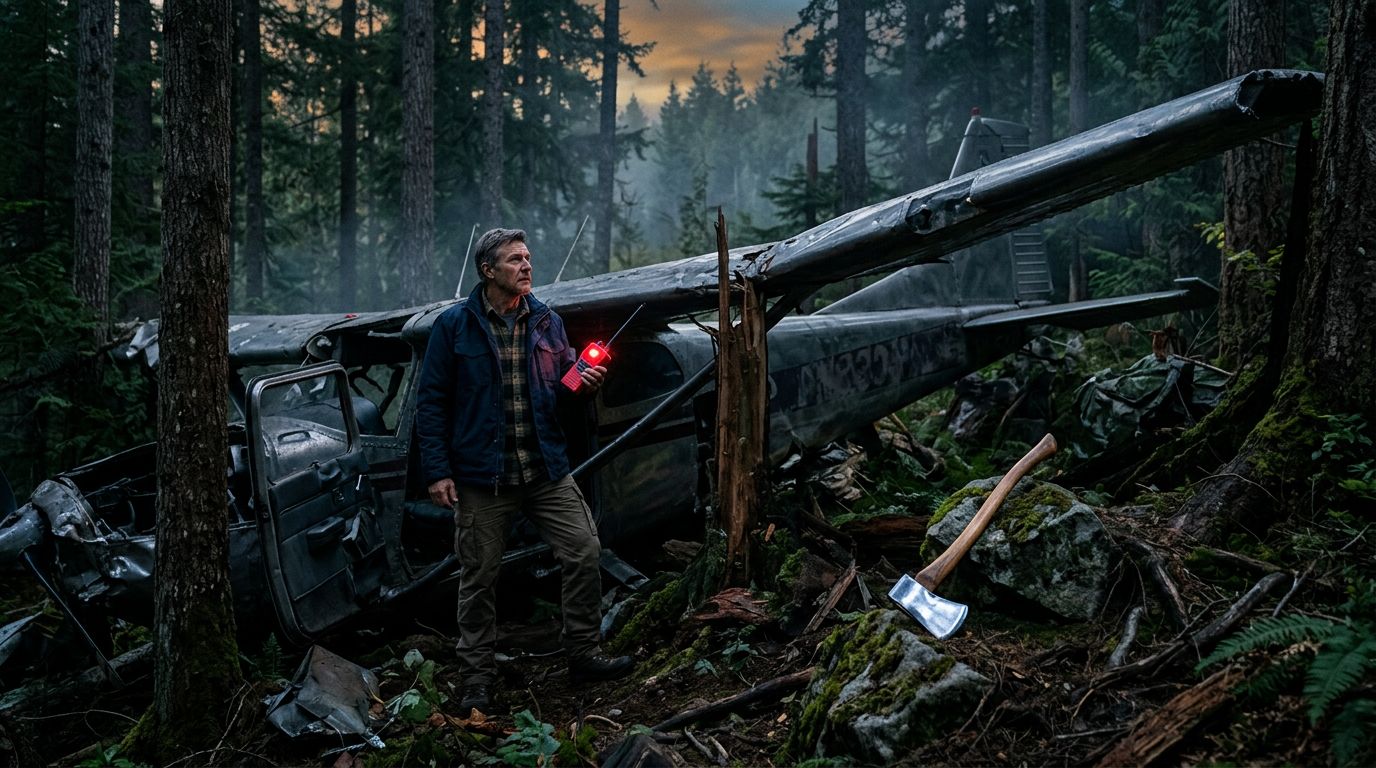
Late in the novel, after the tornado changes the lake and exposes more of the wrecked plane, Brian decides to go after the emergency pack he saw earlier. He dives into the submerged aircraft, cuts his way in, and brings the pack back. While going through it, he activates the transmitter, and that signal brings a plane to rescue him.
That is the climax because it changes everything at once. Before that scene, Brian is surviving but stranded. After it, rescue is no longer a dream. It’s on the way.
Some readers point to the instant the rescue plane lands. That’s close, and it’s part of the same dramatic peak. Still, the story’s real turning point comes when Brian takes the risk, gets the pack, and sets the rescue in motion.
The simplest answer is this: the climax of Hatchet is when Brian recovers the survival pack and activates the transmitter that leads to his rescue.
Think of it like the steepest drop on a roller coaster. The climb takes most of the ride. Then one sharp moment changes the whole feeling.
Why the survival pack scene is the true turning point
Not every dramatic scene is the climax. That’s where some readers get tripped up.
Hatchet has plenty of big moments before the end. Brian survives the crash. He makes fire. He faces a porcupine and a moose. He suffers through the tornado. Each scene matters, and each one raises the tension. Yet none of them fully changes the main problem. Brian is still alone, still stuck, and still forced to depend on himself.
The plane scene is different because it does more than scare him. It shifts the plot.
Brian has to make a choice. He could stay safe on shore and keep living one day at a time. Instead, he goes back to the place where his nightmare began. That choice matters because it shows how much he has changed. Early Brian panics. Climax Brian plans, acts, and accepts the risk.
There’s also a strong emotional charge in this scene. He isn’t only diving into cold water. He’s returning to the wreck that nearly killed him. That gives the moment extra weight. The outside danger is real, but the inner battle is just as big.
The tornado matters, but it isn’t the climax
The tornado feels huge because it’s loud, chaotic, and destructive. It tears through Brian’s world and leaves his shelter damaged. On a first read, it can seem like the peak.
But the tornado works better as the final shove toward the true climax. It changes the lake, reveals the plane more clearly, and sets up Brian’s decision to go after the pack. In other words, it loads the spring. The plane scene is when the spring snaps.
Here’s why that scene stands above the rest:
- It carries the highest risk: Brian could drown while trying to reach the pack.
- It tests his growth: He uses the skills and grit he built all book long.
- It changes the outcome: The activated transmitter opens the door to rescue.
That’s the heart of the hatchet climax. It’s the point where survival turns into escape.
How the climax changes Brian and gives the ending its power
The best part of the climax isn’t only that Brian gets rescued. It’s that by then, he has already become someone new.
At the start of the book, Brian is a shocked 13-year-old carrying fear, anger, and the pain of his parents’ split. He reacts to the wilderness like any scared kid would. He cries, he freezes, and he makes mistakes. That feels real, which is why the story hits.
By the time he returns to the plane, he’s not the same boy. He watches carefully. He thinks before he moves. He trusts work more than panic. That shift is why the climax feels earned instead of lucky.
Yes, the transmitter helps him get found. Still, the scene doesn’t read like a cheap shortcut. Brian only reaches that moment because he has learned how to survive. He built the version of himself who could take that dive.
That’s also why the ending after the rescue is so brief. The emotional finish line comes before the final pages. Once Brian gets the pack and the signal goes out, the story has already made its main point. The wilderness didn’t only trap him. It changed him.
There’s a nice irony here too. Brian spends the book learning how to live alone, and the climax arrives when contact with the outside world returns. He survives first, then he gets saved. The order matters.
For readers, that makes the ending satisfying. The rescue is exciting, of course. But the bigger reward is seeing that Brian has earned it, inch by inch, bruise by bruise, thought by thought.
If you’re trying to explain the story in class, keep it simple. Say the climax happens when Brian retrieves the survival pack from the plane and activates the transmitter that brings rescue. Then add why it matters: it resolves the main conflict and proves how much Brian has grown.
Brian’s wildest moment in Hatchet isn’t only about a plane, a pack, or a radio signal. It’s about the second everything changes.
That’s why the hatchet climax sticks with readers. It’s the point where fear meets courage, and courage wins.
If you revisit the book, watch how every earlier struggle points straight to that scene. Once you see that, the whole story clicks.
What Is the Climax of Harrison Bergeron? The Turning Point Explained
If you’re trying to pin down the climax of Harrison Bergeron, here’s the short version: it happens when Harrison bursts onto live television, tears off his handicaps, declares himself emperor, and openly challenges the government. That scene is the story’s high point, the moment when all the pressure finally blows.
Still, there’s a small twist. Some readers say the climax includes the instant Diana Moon Glampers shoots Harrison and the ballerina. That’s fair, because the rebellion peaks and ends almost at once. In a story this sharp and fast, the climax and its outcome are packed into a few brutal seconds.
The short answer: the TV studio rebellion is the climax
In most classroom discussions, the harrison bergeron climax is the television studio scene. That’s where the story reaches its highest tension.
Up to that point, Kurt Vonnegut builds a world where forced equality rules everything. Smart people wear mental radios. Strong people carry heavy weights. Beautiful people hide behind masks. Even thought itself gets interrupted. It’s a society that flattens anyone who stands out.
Then Harrison enters like a walking headline.
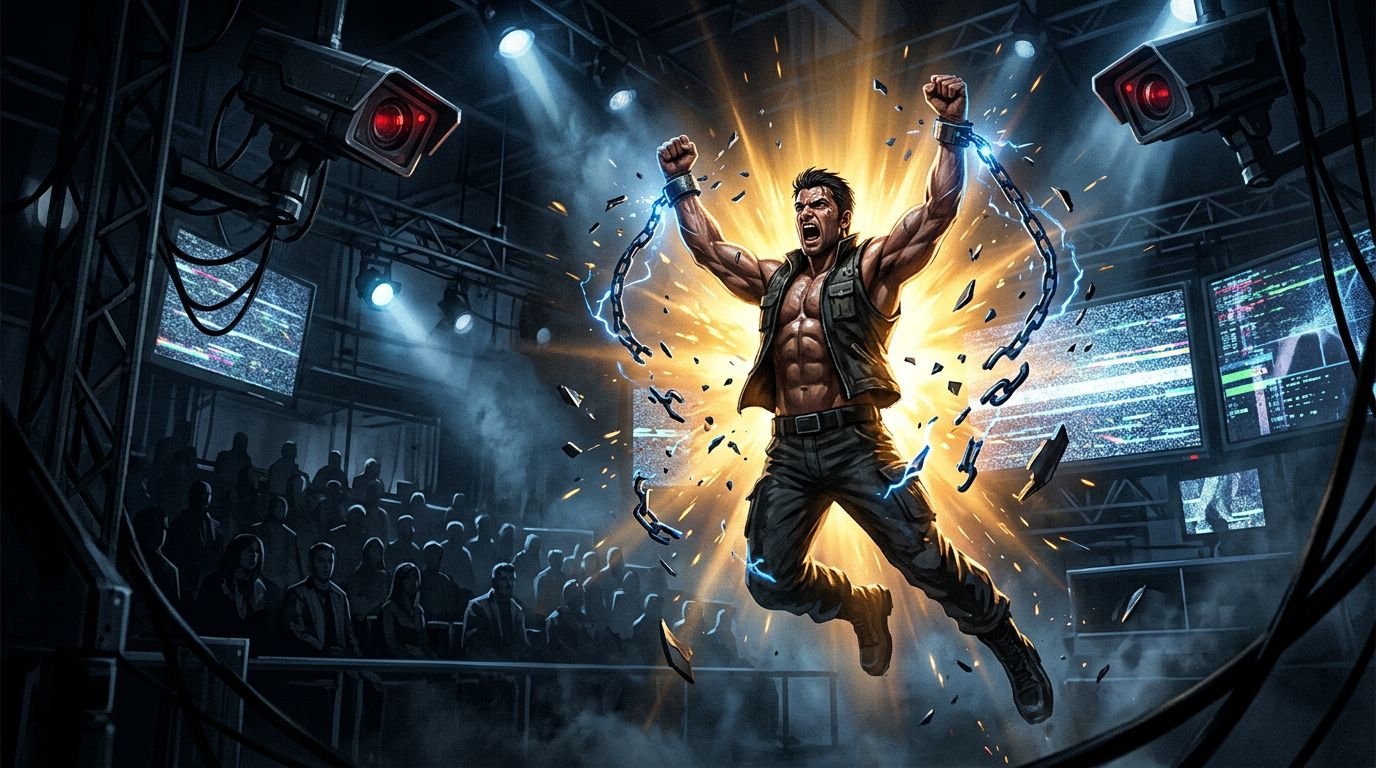
He escapes prison, crashes the TV broadcast, and appears in chains and handicaps that make everyone else look tame. He doesn’t sneak in quietly, either. He takes over the room. He declares himself emperor. He chooses a ballerina as his empress. Then he strips away the weights and gear that kept him down.
That is the big turning point.
Why? Because the main conflict finally hits center stage. Before this, the story shows control. In this moment, it shows open revolt. Harrison doesn’t just dislike the system. He challenges it in public, on live TV, in front of the whole country.
The climax is the point where the story can no longer stay stable, and Harrison blows that stability apart.
The dance matters, too. It’s not just weird or dramatic for the sake of it. Harrison and the ballerina rise into the air, almost beyond gravity. That image feels larger than life. For one glowing minute, beauty, strength, and freedom break through the state’s dead grip. It’s the story’s flash of impossible hope.
And then, just as fast, the state crushes it.
Why this scene counts as the climax, not just a shocking moment
A climax isn’t only the loudest scene. It’s the moment that changes everything. In Harrison Bergeron, the TV takeover does exactly that.
At the start, George and Hazel sit at home watching television. George is smart, but the government keeps knocking his thoughts apart. Hazel is average, and that means she fits the system just fine. Their passivity matters. It shows how deeply the world has trained people not to resist.
So when Harrison appears, he does what nobody else has dared to do. He breaks the script.
That’s why this scene works as the climax on a plot level. The story moves from setup to collision. The conflict between the individual and the state becomes direct, visible, and public. There is no going back after Harrison steps on screen.
Some readers, though, place the climax a few seconds later, when Diana Moon Glampers shoots Harrison and the ballerina. That reading makes sense because it’s the exact instant the rebellion fails. If you define climax as the peak of emotional shock, that gunshot is hard to top.
Still, the best answer usually includes both parts, with one clear focus. Harrison’s rebellion starts the climax, and his death completes it.
Think of it like a fireworks finale. The launch matters, because that’s the burst everyone waits for. The final explosion matters, too, because that’s what ends the show. In this story, both happen almost back to back.
If you need a clean school-friendly answer, this works well:
The climax of Harrison Bergeron occurs when Harrison takes over the TV studio, removes his handicaps, and rebels against the government’s forced equality, a moment that peaks when Diana Moon Glampers kills him.
That answer is clear, accurate, and hard to argue with.
What the climax means for the story’s message
The climax isn’t just action. It’s Vonnegut’s whole warning, compressed into one savage scene.
Harrison stands for more than teenage rebellion. He represents human excellence, freedom, art, strength, and individuality. He is extreme on purpose. Vonnegut makes him huge, gifted, and impossible to ignore because the system itself is absurd. The story asks a sharp question: what happens when a society fears excellence so much that it destroys it?
The answer arrives on live TV.
When Harrison removes his handicaps, he becomes what the government hates most, a person fully himself. When he dances with the ballerina, the story briefly shows what people can be without forced limits. Their movement feels joyful, but also dangerous to the state. Beauty becomes a threat. Grace becomes a crime.
Then Diana Moon Glampers enters and kills them without hesitation. That moment locks in the story’s dark point. Power doesn’t argue. It doesn’t debate. It erases.
The reaction afterward makes the scene even colder. George and Hazel barely process what happened. George gets another mental blast. Hazel cries, but she can’t remember why. The television moves on. Life moves on. The system wins because it controls memory, thought, and feeling.
So the climax doesn’t only answer the plot. It explains the whole satire.
Vonnegut isn’t mocking fairness itself. He’s mocking the idea that equality means dragging everyone down to the same level. In that world, the brightest person gets dimmed, the strongest gets burdened, and the most graceful gets hidden. Harrison’s brief rebellion exposes how cruel that logic becomes.
Final take on the climax of Harrison Bergeron
So, what is the climax of Harrison Bergeron? The best answer is Harrison’s public revolt in the TV studio, when he tears off his handicaps and defies the state, with the scene reaching its brutal end when Diana Moon Glampers shoots him. That’s the story’s highest tension, biggest turning point, and clearest statement of theme.
If the story feels fast, that’s the point. Freedom flashes, power fires back, and the screen goes blank. For a short story, the climax hits like a tabloid scandal and a tragedy at the same time.

Fairy tales love a big reveal, and Cinderella delivers one of the most famous in fiction. If you’re trying to pin down the exact high point of the story, the short answer is simple: the climax happens when the glass slipper fits Cinderella.
That moment is where all the tension snaps tight, then finally lets go. A lot of people mix it up with the midnight escape scene, because that part is dramatic and flashy. Still, the real payoff comes later, when Cinderella’s identity is proven and everything changes at once.
The short answer: the glass slipper scene is the climax
In story terms, the climax is the moment of greatest tension. It’s the scene where the main conflict reaches its peak and starts to resolve. In the best-known version of Cinderella, that moment arrives when the prince tests the glass slipper, and it fits Cinderella perfectly.
Before that scene, the story keeps piling on pressure. Cinderella has already gone to the ball. She has already captured the prince’s attention. She has already rushed away at midnight, leaving behind the slipper. So now the whole kingdom is basically in full gossip mode, trying to find the mystery girl.
Then the prince comes to Cinderella’s house.
Her stepsisters try on the slipper first, usually with plenty of attitude and zero luck. Depending on the version, the stepmother tries to keep Cinderella hidden or stops her from trying the shoe. That delay matters, because it raises the tension. Readers know the truth, but the prince doesn’t yet.
The cinderella climax is the instant the glass slipper proves who she is.
Once Cinderella tries on the slipper and it fits, the central conflict breaks open. She is no longer the ignored girl stuck by the hearth. She is revealed as the prince’s chosen partner, and her stepfamily loses control over her.
This is why the scene lands so hard. It’s not only romantic. It’s also about identity, justice, and truth coming out in public. The hidden girl is finally seen. The mistreated girl is finally believed. The house that kept her small can no longer hold her back.
That mix of tension and release is exactly what a climax should do.
Why the midnight escape feels huge, but isn’t the climax
Now, let’s talk about the scene people often pick by mistake. Cinderella running from the ball at midnight is a major moment. It’s fast, emotional, and iconic. The clock strikes, the magic fades, and she bolts down the stairs. Very cinematic, very panic-filled, very “someone cue the orchestra.”
But it’s not the climax.
Why not? Because the main problem isn’t solved yet.
At midnight, the prince still doesn’t know who she is. Cinderella still goes back to her old life. Her stepfamily still has power over her. The story’s biggest question, will Cinderella be recognized and escape her miserable situation, is still hanging in the air.
That means the midnight scene works better as a turning point or the peak of the rising action. It kicks the story into its final phase. The lost slipper becomes the clue that leads to the real showdown.
Here’s a quick way to see the difference:
| Story part | What happens | Why it matters |
|---|---|---|
| Rising action | Cinderella goes to the ball and flees at midnight | Tension builds |
| Climax | The slipper fits Cinderella | Main conflict breaks |
| Falling action | The prince claims her, and her fate changes | The story settles |
| Resolution | Cinderella leaves for a better life | The ending feels complete |
So yes, midnight is a big deal. It’s the spark. But the slipper fitting is the explosion.
Think of it like a celebrity scandal reveal. The secret photo leaks at midnight, but the real climax comes when the truth gets confirmed on camera. That’s the moment everyone has been waiting for.
How the Cinderella climax changes the whole story
The reason the cinderella climax matters so much is that it changes every power line in the story at once.
Up to that point, Cinderella has almost no control over her life. Her stepmother gives orders. Her stepsisters mock her. Even when magic helps her, the help comes with a timer. She gets one beautiful night, then she’s right back in the ashes.
The slipper scene flips that pattern.
First, it proves Cinderella’s identity. No one can talk over the evidence. No one can pretend she doesn’t matter. The shoe fits, and that fact cuts through every lie in the room.
Second, it gives emotional payoff. Readers have watched her suffer for most of the story. They want release. They want justice. They want the smug people in the house to be wrong in the loudest possible way. The climax delivers that in one clean stroke.
Third, it locks in the story’s theme. Cinderella is not just about a dress, a dance, or a prince with excellent shoe memory. It’s about hidden worth. The tale says that kindness and dignity can survive cruelty. Then, at the climax, that inner worth becomes visible to everyone else.
After this scene, the rest is fallout. The prince takes Cinderella away. The future opens up. In some versions, the stepsisters face punishment. In softer retellings, the ending focuses more on Cinderella’s new life than on revenge. Either way, the biggest battle is already over once the slipper fits.
If you’re answering this in class, or just settling a random argument, you can say it in one line: The climax of Cinderella is the moment Cinderella tries on the glass slipper and proves she is the girl from the ball.
That’s the clean, correct answer.
The final answer in one sentence
So, what is the climax of Cinderella? It’s the scene where the glass slipper fits Cinderella, revealing her true identity and resolving the story’s main conflict.
Midnight gives the story its panic. The slipper scene gives it its payoff. And that’s why people still remember it, centuries later, like the fairy-tale version of a perfect red carpet reveal.
-
 Celebrity Info2 months ago
Maya Oakley: A Journey of Lifestyle and Resilience in the Face of Illness
-
 Celebrity Info3 years ago
Shane Oakley: Dr. Michelle Oakley’s Family-Oriented Husband and Sports Enthusiast
-
 Celebrity Info3 years ago
Freddy Dodge Net Worth, Personal Life, Passions, and Role in Gold Rush
-
 Celebrity Info3 years ago
Carl Rosk From Gold Rush | What Happened To Him?
-
 Celebrity Info3 years ago
Mitch Blaschke Net Worth – Age, Personal Life and Role in Gold Rush
-
Celebrity Info2 years ago
Josephine Archer Cameron – Daughter of the Famous Movie Maker James Cameron
-
 Celebrity Info3 years ago
Tyler Mahoney Net Worth, Relationship with Parker Schnabel, And Role in Gold Rush
-
 Celebrity Info3 years ago
Andre The Giant Wife – Jean Christensen – Is She Still Alive?