
shows-comics-novels
What Is the Climax of Harrison Bergeron The Turning Point Explained

What Is the Climax of Harrison Bergeron? The Turning Point Explained
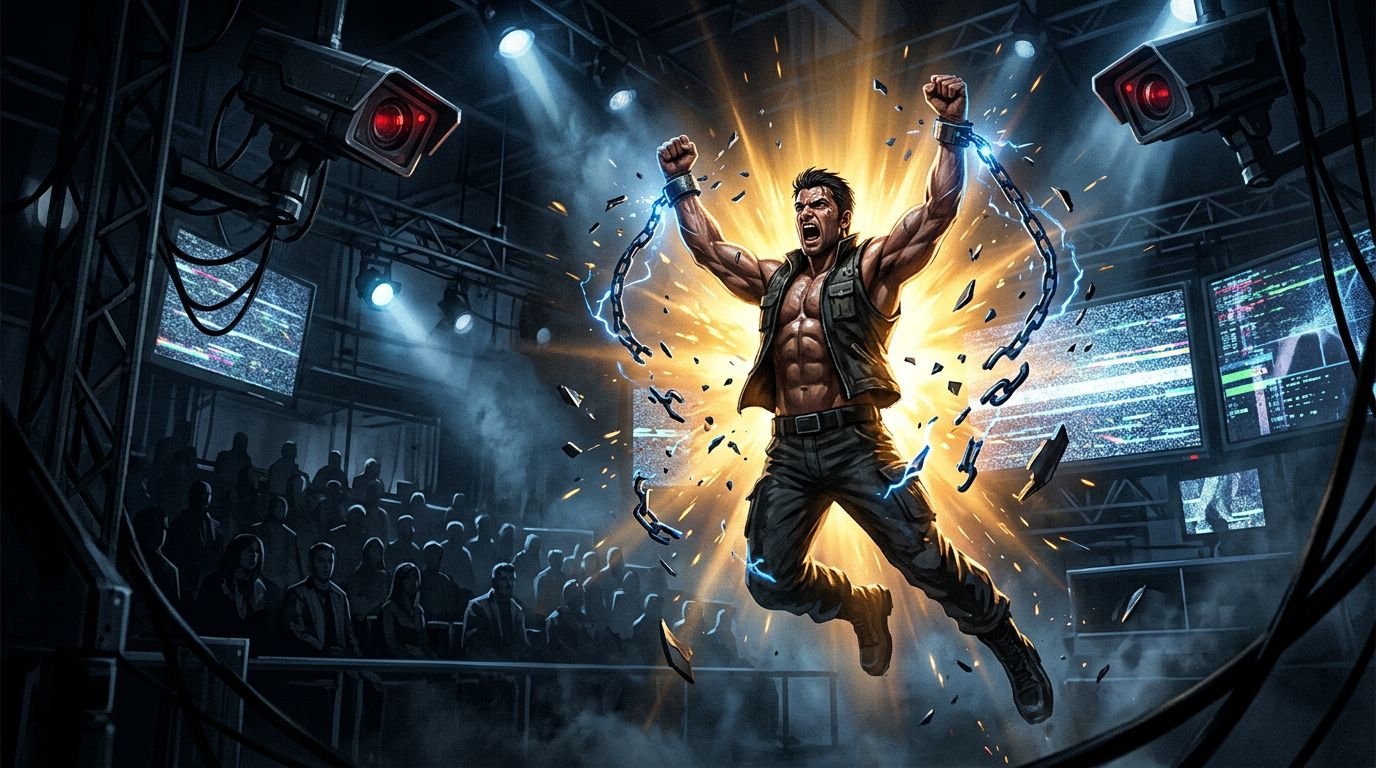
If you’re trying to pin down the climax of Harrison Bergeron, here’s the short version: it happens when Harrison bursts onto live television, tears off his handicaps, declares himself emperor, and openly challenges the government. That scene is the story’s high point, the moment when all the pressure finally blows.
Still, there’s a small twist. Some readers say the climax includes the instant Diana Moon Glampers shoots Harrison and the ballerina. That’s fair, because the rebellion peaks and ends almost at once. In a story this sharp and fast, the climax and its outcome are packed into a few brutal seconds.
The short answer: the TV studio rebellion is the climax
In most classroom discussions, the harrison bergeron climax is the television studio scene. That’s where the story reaches its highest tension.
Up to that point, Kurt Vonnegut builds a world where forced equality rules everything. Smart people wear mental radios. Strong people carry heavy weights. Beautiful people hide behind masks. Even thought itself gets interrupted. It’s a society that flattens anyone who stands out.
Then Harrison enters like a walking headline.
He escapes prison, crashes the TV broadcast, and appears in chains and handicaps that make everyone else look tame. He doesn’t sneak in quietly, either. He takes over the room. He declares himself emperor. He chooses a ballerina as his empress. Then he strips away the weights and gear that kept him down.
That is the big turning point.
Why? Because the main conflict finally hits center stage. Before this, the story shows control. In this moment, it shows open revolt. Harrison doesn’t just dislike the system. He challenges it in public, on live TV, in front of the whole country.
The climax is the point where the story can no longer stay stable, and Harrison blows that stability apart.
The dance matters, too. It’s not just weird or dramatic for the sake of it. Harrison and the ballerina rise into the air, almost beyond gravity. That image feels larger than life. For one glowing minute, beauty, strength, and freedom break through the state’s dead grip. It’s the story’s flash of impossible hope.
And then, just as fast, the state crushes it.
Why this scene counts as the climax, not just a shocking moment
A climax isn’t only the loudest scene. It’s the moment that changes everything. In Harrison Bergeron, the TV takeover does exactly that.
At the start, George and Hazel sit at home watching television. George is smart, but the government keeps knocking his thoughts apart. Hazel is average, and that means she fits the system just fine. Their passivity matters. It shows how deeply the world has trained people not to resist.
So when Harrison appears, he does what nobody else has dared to do. He breaks the script.
That’s why this scene works as the climax on a plot level. The story moves from setup to collision. The conflict between the individual and the state becomes direct, visible, and public. There is no going back after Harrison steps on screen.
Some readers, though, place the climax a few seconds later, when Diana Moon Glampers shoots Harrison and the ballerina. That reading makes sense because it’s the exact instant the rebellion fails. If you define climax as the peak of emotional shock, that gunshot is hard to top.
Still, the best answer usually includes both parts, with one clear focus. Harrison’s rebellion starts the climax, and his death completes it.
Think of it like a fireworks finale. The launch matters, because that’s the burst everyone waits for. The final explosion matters, too, because that’s what ends the show. In this story, both happen almost back to back.
If you need a clean school-friendly answer, this works well:
The climax of Harrison Bergeron occurs when Harrison takes over the TV studio, removes his handicaps, and rebels against the government’s forced equality, a moment that peaks when Diana Moon Glampers kills him.
That answer is clear, accurate, and hard to argue with.
What the climax means for the story’s message
The climax isn’t just action. It’s Vonnegut’s whole warning, compressed into one savage scene.
Harrison stands for more than teenage rebellion. He represents human excellence, freedom, art, strength, and individuality. He is extreme on purpose. Vonnegut makes him huge, gifted, and impossible to ignore because the system itself is absurd. The story asks a sharp question: what happens when a society fears excellence so much that it destroys it?
The answer arrives on live TV.
When Harrison removes his handicaps, he becomes what the government hates most, a person fully himself. When he dances with the ballerina, the story briefly shows what people can be without forced limits. Their movement feels joyful, but also dangerous to the state. Beauty becomes a threat. Grace becomes a crime.
Then Diana Moon Glampers enters and kills them without hesitation. That moment locks in the story’s dark point. Power doesn’t argue. It doesn’t debate. It erases.
The reaction afterward makes the scene even colder. George and Hazel barely process what happened. George gets another mental blast. Hazel cries, but she can’t remember why. The television moves on. Life moves on. The system wins because it controls memory, thought, and feeling.
So the climax doesn’t only answer the plot. It explains the whole satire.
Vonnegut isn’t mocking fairness itself. He’s mocking the idea that equality means dragging everyone down to the same level. In that world, the brightest person gets dimmed, the strongest gets burdened, and the most graceful gets hidden. Harrison’s brief rebellion exposes how cruel that logic becomes.
Final take on the climax of Harrison Bergeron
So, what is the climax of Harrison Bergeron? The best answer is Harrison’s public revolt in the TV studio, when he tears off his handicaps and defies the state, with the scene reaching its brutal end when Diana Moon Glampers shoots him. That’s the story’s highest tension, biggest turning point, and clearest statement of theme.
If the story feels fast, that’s the point. Freedom flashes, power fires back, and the screen goes blank. For a short story, the climax hits like a tabloid scandal and a tragedy at the same time.

Fairy tales love a big reveal, and Cinderella delivers one of the most famous in fiction. If you’re trying to pin down the exact high point of the story, the short answer is simple: the climax happens when the glass slipper fits Cinderella.
That moment is where all the tension snaps tight, then finally lets go. A lot of people mix it up with the midnight escape scene, because that part is dramatic and flashy. Still, the real payoff comes later, when Cinderella’s identity is proven and everything changes at once.
The short answer: the glass slipper scene is the climax
In story terms, the climax is the moment of greatest tension. It’s the scene where the main conflict reaches its peak and starts to resolve. In the best-known version of Cinderella, that moment arrives when the prince tests the glass slipper, and it fits Cinderella perfectly.
Before that scene, the story keeps piling on pressure. Cinderella has already gone to the ball. She has already captured the prince’s attention. She has already rushed away at midnight, leaving behind the slipper. So now the whole kingdom is basically in full gossip mode, trying to find the mystery girl.
Then the prince comes to Cinderella’s house.
Her stepsisters try on the slipper first, usually with plenty of attitude and zero luck. Depending on the version, the stepmother tries to keep Cinderella hidden or stops her from trying the shoe. That delay matters, because it raises the tension. Readers know the truth, but the prince doesn’t yet.
The cinderella climax is the instant the glass slipper proves who she is.
Once Cinderella tries on the slipper and it fits, the central conflict breaks open. She is no longer the ignored girl stuck by the hearth. She is revealed as the prince’s chosen partner, and her stepfamily loses control over her.
This is why the scene lands so hard. It’s not only romantic. It’s also about identity, justice, and truth coming out in public. The hidden girl is finally seen. The mistreated girl is finally believed. The house that kept her small can no longer hold her back.
That mix of tension and release is exactly what a climax should do.
Why the midnight escape feels huge, but isn’t the climax
Now, let’s talk about the scene people often pick by mistake. Cinderella running from the ball at midnight is a major moment. It’s fast, emotional, and iconic. The clock strikes, the magic fades, and she bolts down the stairs. Very cinematic, very panic-filled, very “someone cue the orchestra.”
But it’s not the climax.
Why not? Because the main problem isn’t solved yet.
At midnight, the prince still doesn’t know who she is. Cinderella still goes back to her old life. Her stepfamily still has power over her. The story’s biggest question, will Cinderella be recognized and escape her miserable situation, is still hanging in the air.
That means the midnight scene works better as a turning point or the peak of the rising action. It kicks the story into its final phase. The lost slipper becomes the clue that leads to the real showdown.
Here’s a quick way to see the difference:
| Story part | What happens | Why it matters |
|---|---|---|
| Rising action | Cinderella goes to the ball and flees at midnight | Tension builds |
| Climax | The slipper fits Cinderella | Main conflict breaks |
| Falling action | The prince claims her, and her fate changes | The story settles |
| Resolution | Cinderella leaves for a better life | The ending feels complete |
So yes, midnight is a big deal. It’s the spark. But the slipper fitting is the explosion.
Think of it like a celebrity scandal reveal. The secret photo leaks at midnight, but the real climax comes when the truth gets confirmed on camera. That’s the moment everyone has been waiting for.
How the Cinderella climax changes the whole story
The reason the cinderella climax matters so much is that it changes every power line in the story at once.
Up to that point, Cinderella has almost no control over her life. Her stepmother gives orders. Her stepsisters mock her. Even when magic helps her, the help comes with a timer. She gets one beautiful night, then she’s right back in the ashes.
The slipper scene flips that pattern.
First, it proves Cinderella’s identity. No one can talk over the evidence. No one can pretend she doesn’t matter. The shoe fits, and that fact cuts through every lie in the room.
Second, it gives emotional payoff. Readers have watched her suffer for most of the story. They want release. They want justice. They want the smug people in the house to be wrong in the loudest possible way. The climax delivers that in one clean stroke.
Third, it locks in the story’s theme. Cinderella is not just about a dress, a dance, or a prince with excellent shoe memory. It’s about hidden worth. The tale says that kindness and dignity can survive cruelty. Then, at the climax, that inner worth becomes visible to everyone else.
After this scene, the rest is fallout. The prince takes Cinderella away. The future opens up. In some versions, the stepsisters face punishment. In softer retellings, the ending focuses more on Cinderella’s new life than on revenge. Either way, the biggest battle is already over once the slipper fits.
If you’re answering this in class, or just settling a random argument, you can say it in one line: The climax of Cinderella is the moment Cinderella tries on the glass slipper and proves she is the girl from the ball.
That’s the clean, correct answer.
The final answer in one sentence
So, what is the climax of Cinderella? It’s the scene where the glass slipper fits Cinderella, revealing her true identity and resolving the story’s main conflict.
Midnight gives the story its panic. The slipper scene gives it its payoff. And that’s why people still remember it, centuries later, like the fairy-tale version of a perfect red carpet reveal.
What Is the Climax of The Crucible? Proctor’s Big Choice Explained
If you’re trying to answer what is the climax of The Crucible, here’s the clean, test-ready version: the climax happens in Act IV, when John Proctor tears up his false confession and refuses to save himself with a lie.
That scene hits like a slammed courtroom door. Everything in the play has been building toward it, the fear, the guilt, the lies, and the pressure to protect one’s name. Some readers pick the courtroom chaos in Act III, and that makes sense at first. Still, the true breaking point comes later, when Proctor makes his final choice and can’t take it back.
The short answer to what is the climax of The Crucible
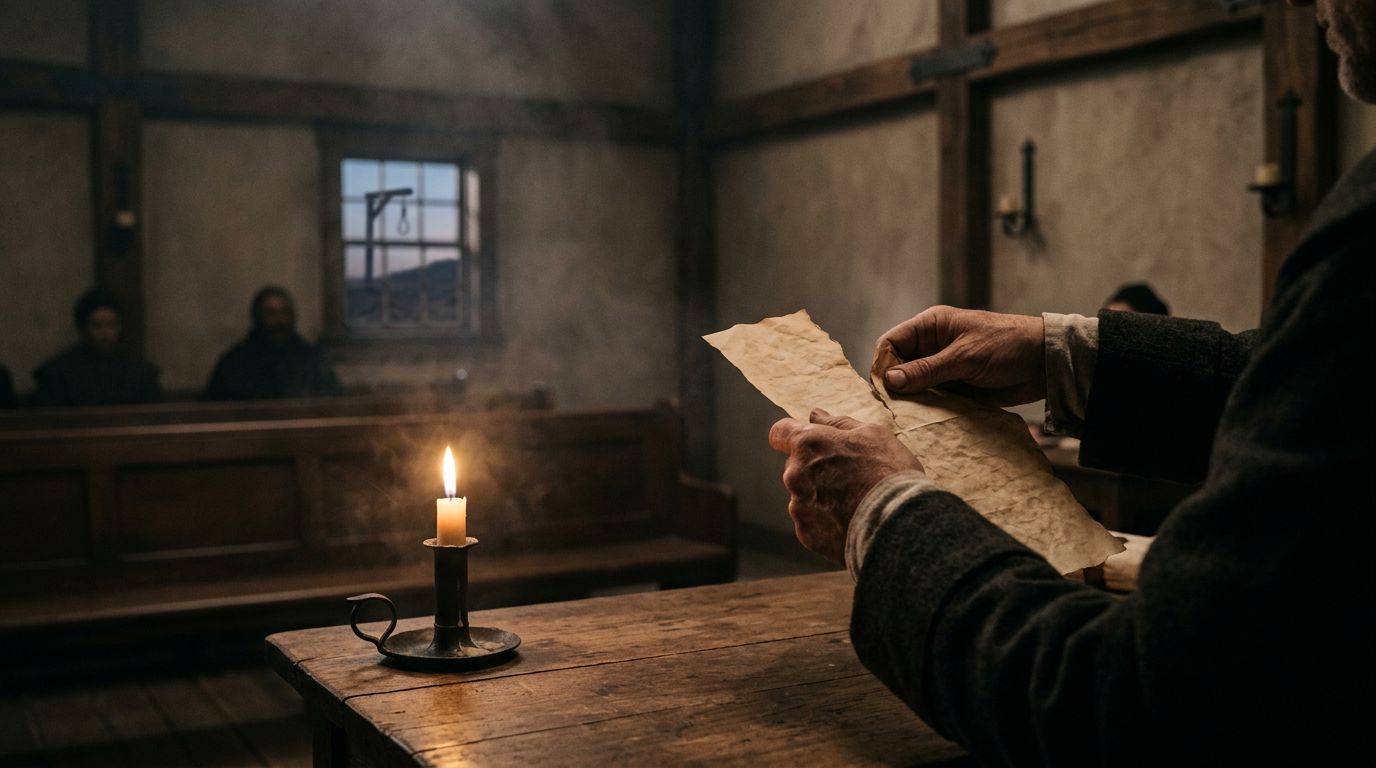
The climax of The Crucible comes when John Proctor signs a confession, then rips it apart rather than let the court post it publicly. In plain English, he chooses death over a false admission of witchcraft.
By Act IV, Salem is a mess. People have been jailed, accused, and hanged. Reverend Hale has gone from confident expert to desperate wreck. Danforth still wants authority to look strong. Abigail has already run off. The whole town feels like a house fire that nobody can stop.
Then Proctor enters the scene. He’s tired, shaken, and ready to do almost anything to live. At first, he agrees to confess. That decision alone is painful, because he knows it’s false. Still, he wants more time, more life, maybe one last chance to hold on to something.
Then the court pushes too far.
They don’t just want a private confession. They want his signed statement nailed up for everyone to see. That’s when Proctor breaks, or maybe wakes up. He realizes the lie won’t only save his body. It will also destroy the last piece of himself he still respects.
His famous cry about his name is the key. This isn’t just pride. It’s identity, honor, and truth all rolled into one. In that instant, Arthur Miller brings the play’s biggest ideas into one sharp moment, public shame, private guilt, and the cost of standing up.
So, if someone asks for the crucible climax, this is the scene to name. It’s the play’s highest emotional point and its final moral showdown.
Why the courtroom scene feels like the climax, but isn’t
A lot of people point to Act III first, and honestly, that isn’t a wild take. The courtroom scene is chaos in full makeup. Mary Warren tries to tell the truth. Abigail flips the room upside down. Proctor admits his affair. Then Mary turns on him. It’s dramatic, ugly, and packed with tension.
So why isn’t that the climax?
Because that scene is the play’s major crisis, not its final turning point. It sends Proctor toward disaster, but it doesn’t settle his central struggle. Act III crushes his public case. Act IV settles his soul.
That’s the big difference.
In Act III, Proctor tries to beat the court with facts. He still thinks the truth, spoken clearly, might win. Salem proves otherwise. The judges believe the girls. Reason loses. Panic wins. From a plot angle, this is the moment where outside forces shut the door on him.
But the deeper conflict in The Crucible isn’t only about whether the court gets fooled. It’s about what Proctor will do when truth costs him everything. He has lied before. He has protected his reputation before. He has carried guilt like a rock in his coat. Act IV forces him to pick between life and integrity.
If you need one sentence for class, say this: the climax occurs when John Proctor tears up his confession because he chooses truth and honor over survival.
That answer works because a climax should do more than create noise. It should bring the story’s main conflict to its sharpest point. Here, the main conflict becomes personal. Proctor can live as a liar or die as an honest man. Once he chooses, the rest of the ending follows fast.
Act III may feel louder, like Salem’s worst scandal explodes on live TV. Act IV cuts deeper. That’s why it lands as the real climax.
How the crucible climax changes the ending
Once Proctor destroys the confession, the play enters its final stretch. The action after that is short, but it matters. He goes to the gallows with Rebecca Nurse. Elizabeth doesn’t stop him. Instead, she sees that he has finally found a piece of goodness in himself.
That line matters because it shows what Proctor’s choice means. He can’t beat the court. He can’t save the town. He can’t undo the deaths. Yet he can stop one more lie from ruling him. That’s a tragic win, but it’s still a win.
This is also why the ending feels so powerful. The law says Proctor loses. The audience sees something else. Salem keeps its cruelty, but Proctor gets back his moral center. He dies, yet the play frames that death as a refusal to be broken.
If you’re writing about rising action and falling action, here’s the easy way to sort it out. The rising action includes the accusations, the growing fear, and the courtroom collapse. The climax is Proctor’s confession scene in Act IV. The falling action comes right after, when his fate is sealed and the emotional meaning becomes clear.
There’s also a smart middle-ground answer if your teacher loves shades of gray. You can say Act III is the play’s public peak, while Act IV is its true climax. That shows you understand both the plot and Proctor’s inner struggle.
In other words, the scene isn’t big because someone screams louder. It’s big because a man who has bent under shame finally stands straight.
So, what is the climax of The Crucible? It’s John Proctor tearing up the confession and refusing to trade his name for a few extra days of life. That’s the moment when the play stops being only about witch trials and becomes a story about integrity under pressure. Salem may keep the rope, but Proctor keeps himself, and that’s why the scene still stings.

What Is the Climax of Lord of the Flies? The Wild Final Break
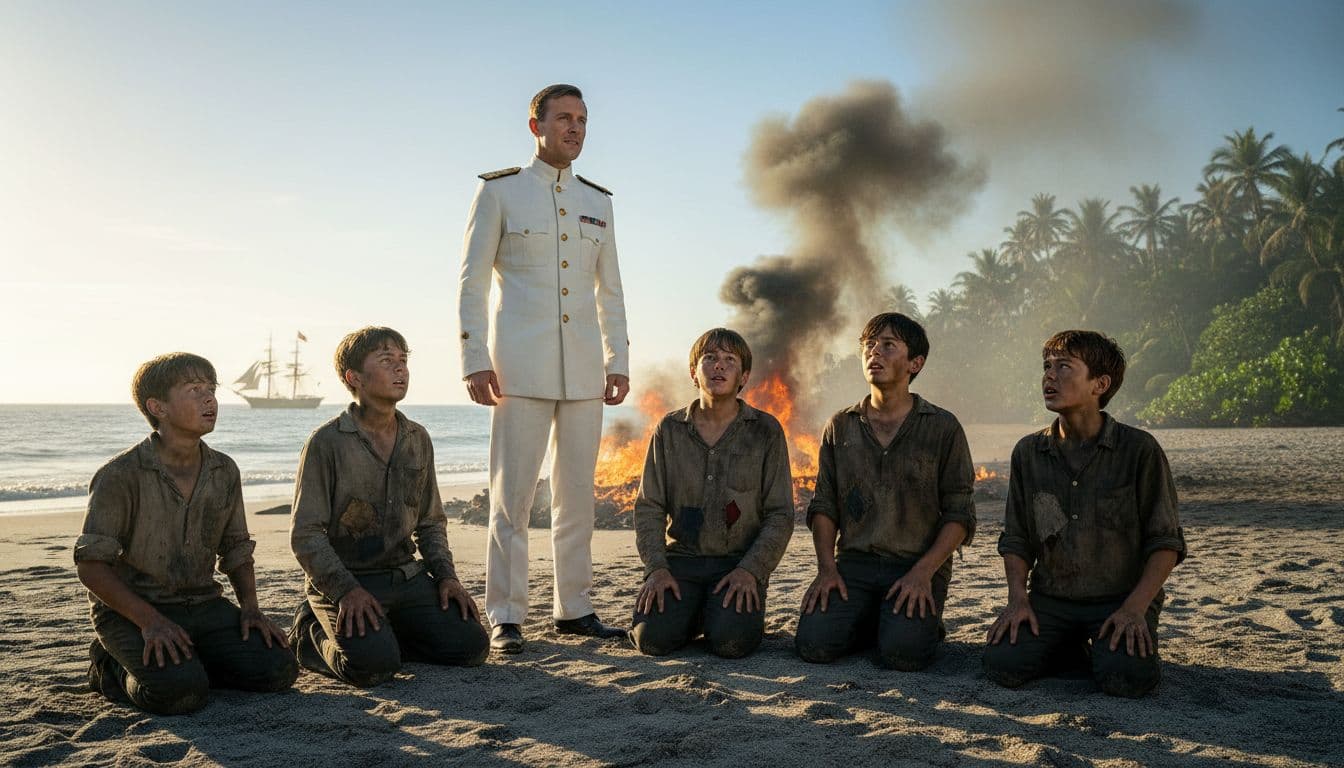
If you’re trying to pin down the lord of the flies climax, here’s the clean answer: it happens when Jack’s tribe hunts Ralph across the island like an animal. The tension peaks when Ralph runs for his life, the island burns, and he crashes onto the beach in front of a naval officer.
That scene is the book at full volume. Fear is no longer talk. Rules are gone. The boys aren’t pretending anymore, and that makes the ending hit like a slap.
Some readers point to Piggy’s death as the key turning point, and that’s fair. Still, the final hunt is where everything snaps into place. It’s the moment the book cashes in all the fear, violence, and power struggles it has been building from page one.
The short answer: the climax is Ralph being hunted
The climax of a novel is the moment of highest tension. It’s the point where the main conflict can no longer stay contained. In Lord of the Flies, that conflict is simple and ugly: can order survive, or will savagery win?
By the time Ralph is hunted, the answer looks grim.
Jack has taken over with force. Piggy is dead. The conch is smashed. Simon is gone. Ralph stands alone, and the boys who once held assemblies now stalk him with spears. That’s why this is the true peak of the story. Ralph isn’t just in danger, he’s the last weak thread connecting the island to reason.
The climax lands when the boys stop acting wild and fully become wild.
The chase matters because it turns the whole island into a weapon. Jack’s tribe sets the forest on fire to smoke Ralph out. That’s not a prank, and it’s not kid stuff. It’s organized violence.
If Piggy’s death feels like the emotional shock, Ralph’s hunt feels like the final explosion. One tears down the last symbol of order. The other proves that order is already gone.
How the novel marches toward chaos
Golding doesn’t jump straight into madness. First, the boys land on the island and try to build a tiny society. Ralph leads with rules. Piggy backs him up with logic. Jack wants power. That clash starts small, then grows teeth.

At first, the island almost looks like an adventure movie. There are fruit trees, open beaches, and no adults. Still, the cracks show fast. The signal fire goes wrong. Fear of the “beast” spreads. Jack gets more obsessed with hunting than rescue.
Then the tone darkens. Simon sees the truth that the beast isn’t a monster in the woods. It’s the darkness inside the boys themselves. However, when he tries to tell them, they kill him in a frenzy. That scene is horrifying because it shows how fear can swallow common sense whole.
Piggy’s death pushes the story even closer to the edge. Roger drops the boulder. The conch shatters. In one brutal instant, law, reason, and mercy all go over the cliff together.
After that, Ralph becomes prey. So the lord of the flies climax doesn’t come out of nowhere. It grows from every broken rule, every failed fire, and every time the boys choose impulse over thought.
Why the climax matters so much
This scene hits hard because it changes the boys from stranded kids into something much darker. Ralph’s hunt isn’t only suspenseful, it’s symbolic. He becomes the target because he represents order, memory, and the idea that people should answer to something bigger than appetite.
Jack, on the other hand, rules through fear and force. He promises meat, excitement, and a tribe. That’s a flashy pitch, especially to scared children. Yet the final chase shows the real cost of his rule. Once violence becomes normal, nobody is safe.
There’s also a nasty bit of irony here. The fire that should have rescued them earlier becomes a tool for murder. Then, because the island burns so fiercely, that same fire helps bring rescue at last. It’s messy, cruel, and darkly clever.
If you like drama, this is the scene where the mask falls off. The paint, the chants, the tribal games, all of it leads here. In other words, the climax shows that civilization isn’t as sturdy as people like to think. Strip away rules, add fear, and things can get ugly fast.
What comes after the climax, and why people mix it up
A lot of readers mix up the climax with the ending, and that’s easy to do. The naval officer appears right after Ralph’s desperate run, so the scenes blur together.
This quick breakdown helps sort it out:
| Story part | What happens | Why it matters |
|---|---|---|
| Climax | Jack’s tribe hunts Ralph and burns the island | This is the peak danger and final conflict |
| Falling action | Ralph reaches the beach and meets the officer | The chase ends at once |
| Resolution | Ralph cries, and the boys face what they’ve become | The emotional truth lands |
So, yes, the officer’s arrival is huge. Still, it’s not the highest point of tension. It’s the release after the explosion. The climax is the hunt. The rescue is what comes right after.
Final takeaway
The climax of Lord of the Flies is Ralph’s terrifying hunt through the burning island, not just the neat final image of rescue. That’s the moment when Golding shows, with zero sugar on top, that the boys have crossed the line from disorder into brutality. By the time the officer steps in, the damage is already done. The island is on fire, and so is every illusion the boys started with.
-
 Celebrity Info2 months ago
Maya Oakley: A Journey of Lifestyle and Resilience in the Face of Illness
-
 Celebrity Info3 years ago
Freddy Dodge Net Worth, Personal Life, Passions, and Role in Gold Rush
-
 Celebrity Info3 years ago
Shane Oakley: Dr. Michelle Oakley’s Family-Oriented Husband and Sports Enthusiast
-
 Celebrity Info3 years ago
Carl Rosk From Gold Rush | What Happened To Him?
-
 Celebrity Info3 years ago
Mitch Blaschke Net Worth – Age, Personal Life and Role in Gold Rush
-
Celebrity Info2 years ago
Josephine Archer Cameron – Daughter of the Famous Movie Maker James Cameron
-
 Celebrity Info3 years ago
Tyler Mahoney Net Worth, Relationship with Parker Schnabel, And Role in Gold Rush
-
 Celebrity Info3 years ago
Andre The Giant Wife – Jean Christensen – Is She Still Alive?