
shows-comics-novels
What Is the Climax of Fahrenheit 451? The Key Scene Explained

What Is the Climax of Fahrenheit 451? The Key Scene Explained
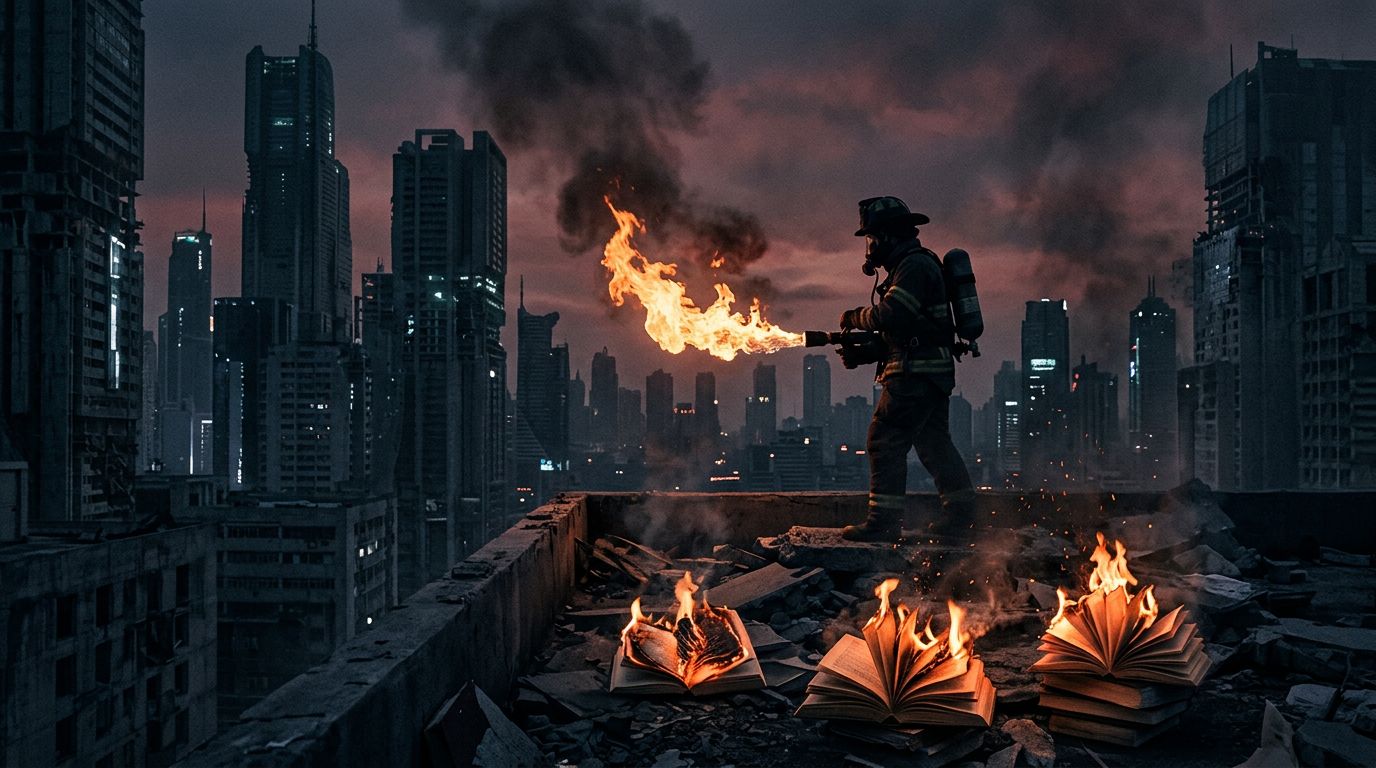
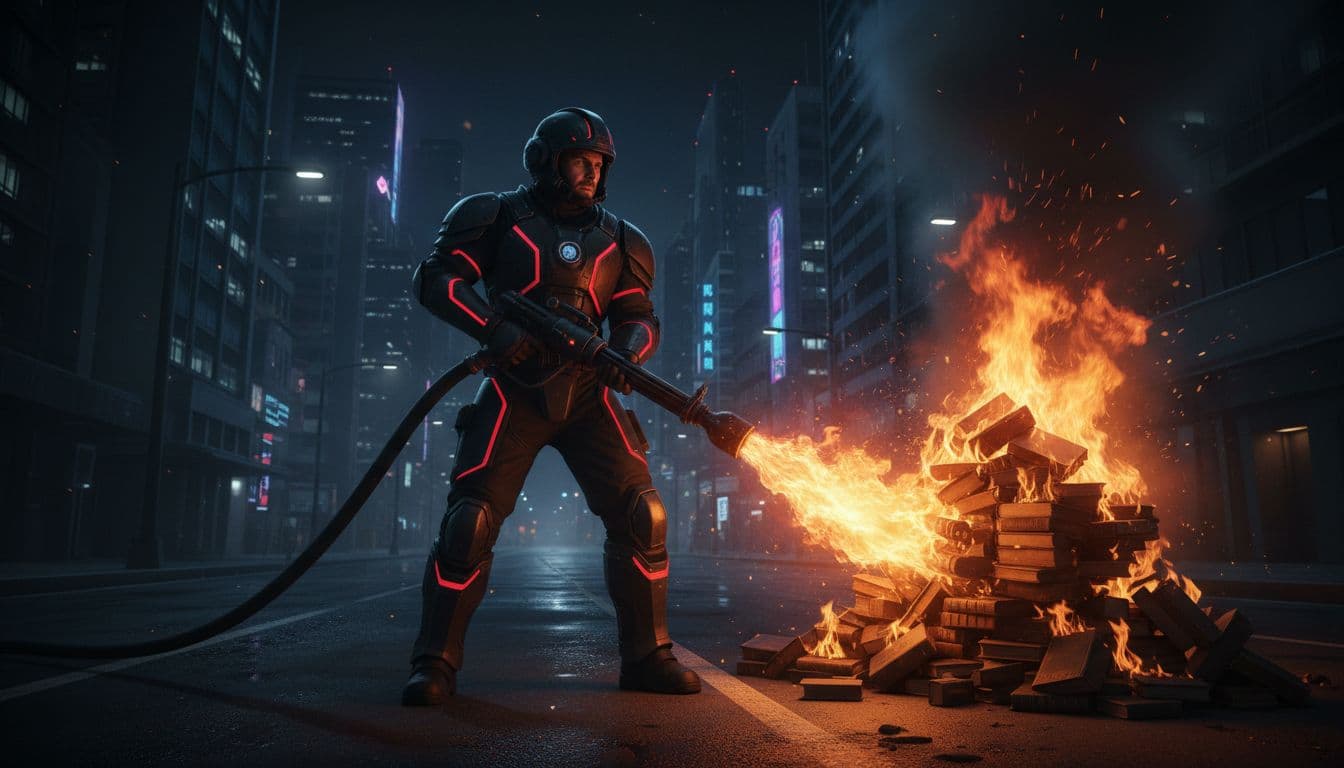
If you’ve been asking what is the climax of Fahrenheit 451, the short answer is simple. The climax happens when Guy Montag turns the flamethrower on Captain Beatty after Beatty forces him to burn his own house.
That scene is the book’s big breaking point. Everything before it builds pressure, and everything after it is fallout. In other words, this is where Montag stops being a scared, confused fireman and becomes a hunted rebel with no safe way back.
The short answer: Montag kills Beatty
The Fahrenheit 451 climax lands in Part Three, when the story finally snaps like a tight wire.
Montag has already started hiding books. He’s already begun doubting the society around him. He’s also made risky moves, like reading poetry aloud and reaching out to Faber for help. Still, until this scene, he’s living two lives. Part of him wants change, while another part still stands inside the system.
Then Captain Beatty drags him straight to the edge.
After Montag’s wife reports him, the fire truck speeds to his own house. That’s the nasty twist. Instead of burning a stranger’s books, Montag has to torch his own home, piece by piece, while Beatty watches and mocks him. It’s cruel, theatrical, and very much Beatty’s style.
The climax of Fahrenheit 451 is the moment Montag burns Captain Beatty after being forced to destroy his own house.
That act matters because it changes the story in one violent burst. Before it, Montag is conflicted. After it, he’s a fugitive. There’s no pretending anymore. No quiet doubt. No secret reading in the dark. He crosses a line, and Bradbury makes sure the reader feels the heat of it.
Beatty’s death also strips away Montag’s last connection to his old life. Beatty isn’t just his boss. He represents the whole machine, censorship, fear, and obedience dressed up as order. So when Montag kills him, he isn’t only fighting one man. He’s torching the system that made him.
What leads up to the Fahrenheit 451 climax
This moment doesn’t come out of nowhere. Bradbury stacks the pressure early, and then keeps twisting it tighter.
First, Clarisse shakes Montag awake. She talks like a real person, not a robot in lipstick and good manners. Because of her, he starts noticing how numb his world feels. Soon after, he sees his wife, Mildred, drowning in screens and pills, and the emptiness hits harder.
Then comes the old woman who chooses to burn with her books. That scene rattles Montag badly. If books mean so little, why would someone die for them? That question sticks like a splinter.
From there, the slide gets steeper. Montag steals books. He meets Faber. He reads aloud to Mildred and her friends, which goes over about as well as a fire alarm at bedtime. Beatty also keeps circling him, throwing sharp little speeches like knives. He knows Montag is cracking, and he enjoys the power.
Here’s a quick map of how the plot builds toward the climax:
| Plot stage | What happens | Why it matters |
|---|---|---|
| Rising doubt | Clarisse questions Montag’s world | He starts thinking for himself |
| Moral shock | The old woman dies with her books | He sees books must hold real value |
| Secret rebellion | Montag steals and reads books | He breaks the law in private |
| Direct pressure | Beatty suspects him | The threat becomes personal |
| Breaking point | Montag burns Beatty | The conflict explodes |
The takeaway is clear. Bradbury keeps moving Montag from curiosity to fear, then from fear to action. So when the climax arrives, it feels earned, not random.
Why this scene is the true turning point
Some readers wonder if the chase through the city is the climax. It’s a fair thought, because that part is tense and flashy. Helicopters roar, the Mechanical Hound hunts, and the whole city watches like it’s reality TV with extra sirens.
Still, the real climax comes earlier, when Montag kills Beatty.
Why? Because the climax is the point of no return. It’s the instant that decides what kind of story comes next. The chase only happens because Montag makes that choice. Beatty’s death flips the switch.
This scene also pulls the book’s main ideas into one ugly, unforgettable knot. Fire, which once gave Montag status and purpose, becomes the weapon he uses against his own captain. Censorship turns personal. State power shows its teeth. Even language matters here, because Beatty has always used words to control and corner Montag. At the climax, words stop working, and violence takes over.
There’s also a bitter irony in Beatty’s role. He’s smart, well-read, and fully aware of what books can do. Yet he helps destroy them anyway. That makes the showdown more than hero versus villain. It’s a battle between two men who know the truth, but chose very different sides.
In short, this is the scene where the book stops asking whether Montag will change. He already has.
What happens after the climax, and why it matters
After Beatty dies, the story races into fallout.
Montag runs. The Mechanical Hound attacks and injures his leg, so the escape gets rough fast. Meanwhile, the city turns him into a televised target. Bradbury shows how entertainment and control work together, which feels uncomfortably modern even now.
Montag eventually reaches the river and escapes the city. Then he meets Granger and the group of men who memorize books to preserve them. That shift matters because the novel moves from destruction to fragile hope.
Soon after, war crashes in and the city is bombed. That ending doesn’t undo the climax. It proves how rotten the whole society had become. Montag’s personal break with the system lines up with the collapse of the system itself.
So if you’re separating plot parts, think of it this way: Beatty’s death is the climax, Montag’s escape is the falling action, and the bombing plus the book-people ending form the resolution.
Final takeaway
So, what is the climax of Fahrenheit 451? It’s the moment Montag burns Captain Beatty after being forced to burn his own house. That’s the story’s hottest, sharpest turning point, and nothing after it can go back to normal. If a novel has a moment where the mask drops and chaos storms in, this is it.
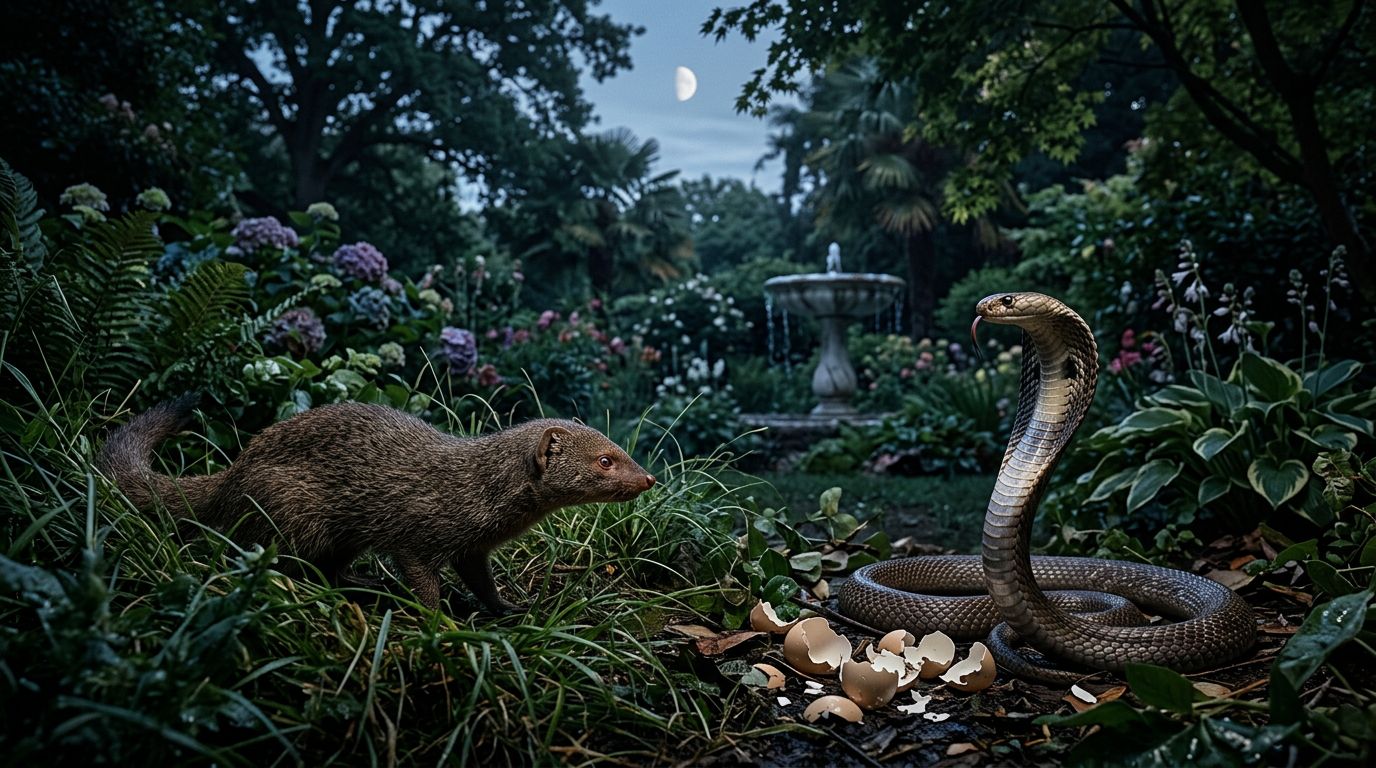
Every strong story has that one scene where everything tightens at once. In Rudyard Kipling’s tale, the climax comes when Rikki-Tikki-Tavi faces Nagaina in the final showdown, after destroying her eggs and chasing her into her hole. That is the moment when Teddy’s family, the garden, and Rikki himself all sit on the edge of disaster.
If you’re looking for the short answer to the rikki tikki tavi climax, that’s it. Still, the scene lands harder when you see how the story builds toward it, and why this fight matters more than every earlier battle.
The real climax happens when Rikki takes on Nagaina
The peak of the story is not just a random snake fight. It’s the moment Rikki stops Nagaina, the deadlier long-term threat, once and for all.
By this point, Nag is gone, but the danger isn’t. Nagaina still wants revenge, and she’s still ready to kill Teddy. She appears near the family and turns the scene into pure pressure. Nobody can move. One strike from her, and it’s over.
Rikki changes the game by destroying most of Nagaina’s eggs. Then he grabs the last one and uses it to pull her attention away from Teddy. That move matters because it shifts the fight from panic to strategy. He’s not just reacting anymore. He’s thinking fast while the whole house is basically holding its breath.
The climax hits when Rikki risks everything to follow Nagaina into her underground hole and end the threat for good.
That final chase is the key. Rikki doesn’t stop after scaring her off. He goes straight into the dark after her. That’s the highest-stakes point in the whole story because nobody can help him there. No father with a gun. No warning cry from the birds. Just Rikki, Nagaina, and a do-or-die finish.
Once Nagaina dies, the story’s main problem is solved. The family is safe. The garden calms down. The tension drops fast. That’s why this moment is the climax and not just another action scene.
How the story builds toward the showdown
Kipling doesn’t drop the big scene out of nowhere. He stacks the danger bit by bit, like a gossip story that keeps getting messier every paragraph.
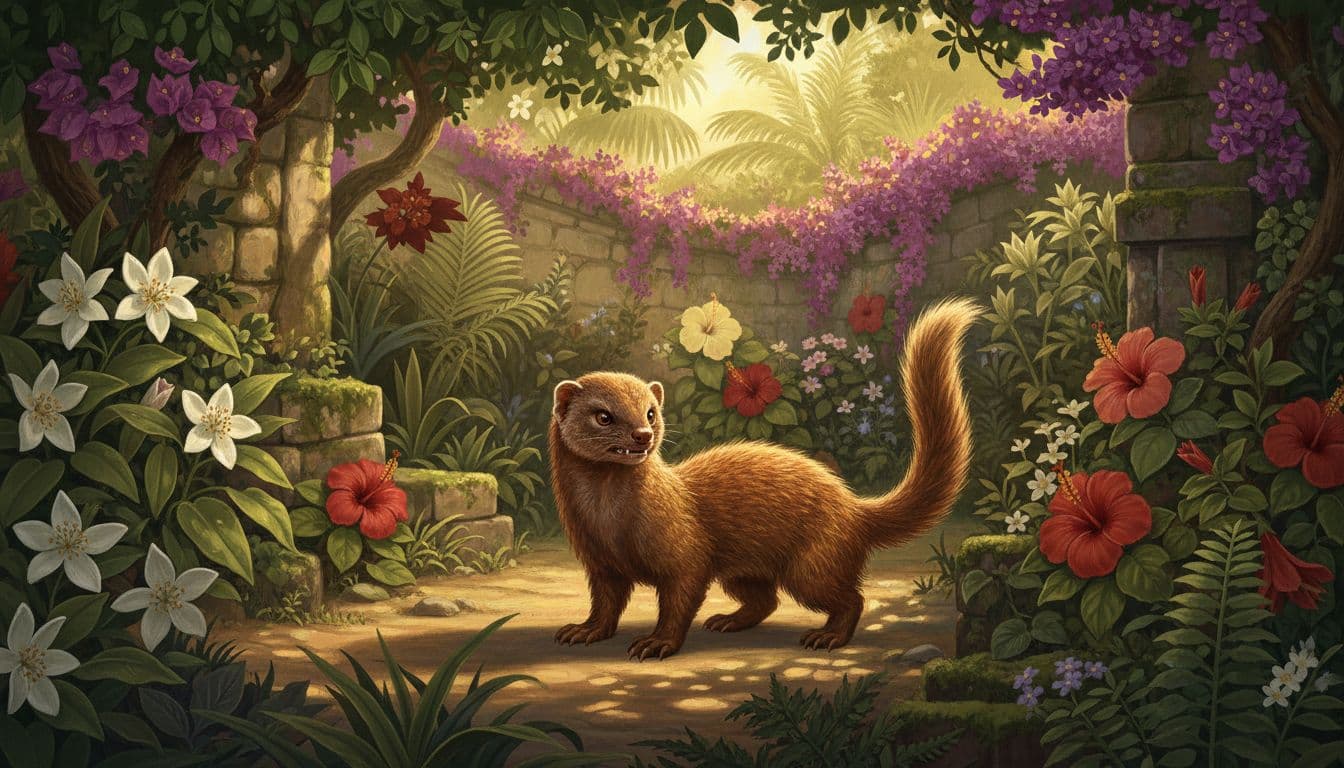
At first, Rikki arrives as a curious young mongoose in a new place. The bungalow garden looks bright and peaceful, but it hides serious danger. That contrast gives the story its spark. Pretty flowers, warm sun, and then, surprise, cobras.
Early fights show that Rikki is brave, but they also show he isn’t reckless. For example, when he kills Karait, he proves he can protect the family. Still, Karait is only a warning shot. Nag and Nagaina are the real storm clouds hanging over the garden.
Then the story turns sharper. Nag plans to attack Teddy’s father. Rikki goes after him in the bathroom, and the father finishes Nag off. It feels huge in the moment, and it is. Yet that scene is still part of the rise. Nagaina survives, and she’s even more dangerous because now she’s angry.
Rikki also isn’t alone. Darzee and his wife help him in small but key ways, especially when Nagaina needs to be distracted.
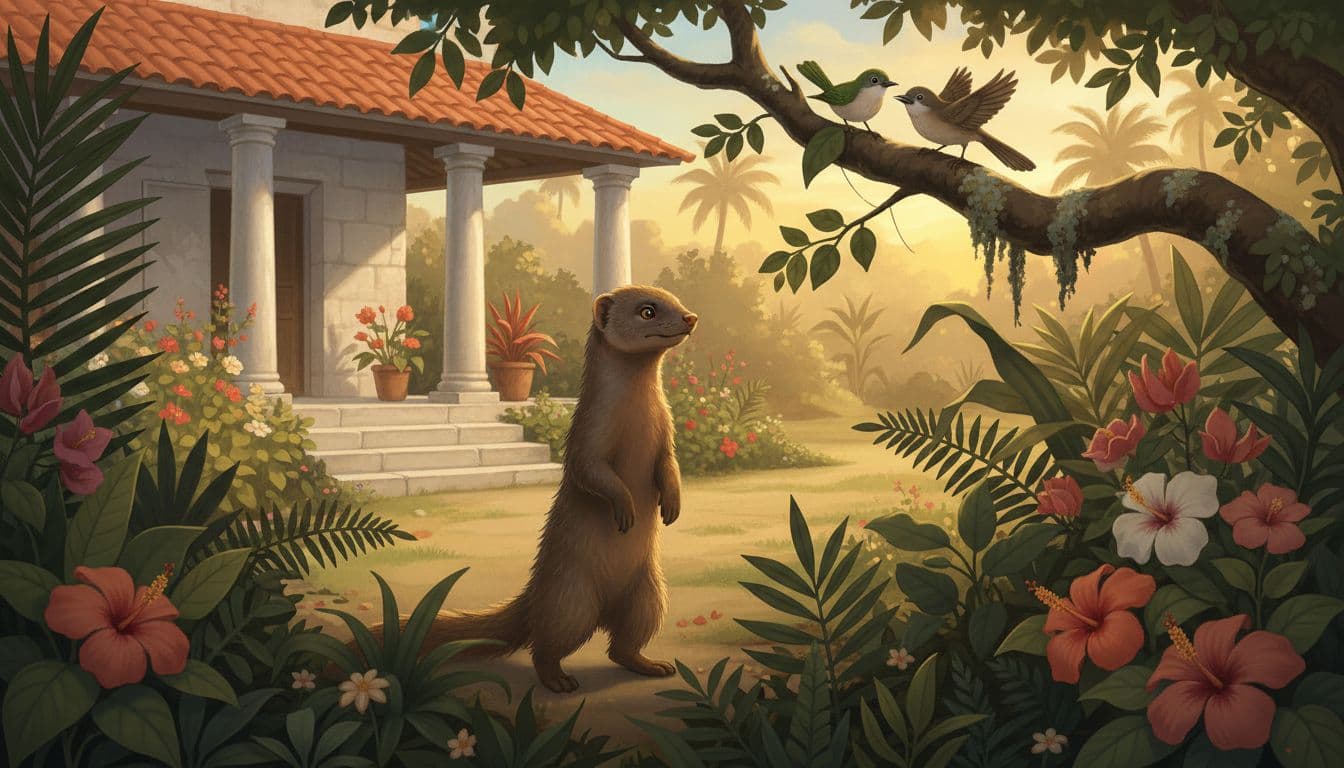
Here’s the story arc in one quick glance:
| Moment | Why it matters | Story stage |
|---|---|---|
| Rikki arrives at the bungalow | The hero enters a risky new home | Exposition |
| Rikki kills Karait | He proves his courage | Rising action |
| Nag dies in the bathroom | The danger spikes, then shifts to Nagaina | Rising action |
| Rikki destroys the eggs and chases Nagaina | The final threat is faced head-on | Climax |
Once you line it up, the answer gets very clear.
Why this is the climax, not the fight with Nag
Some readers point to the bathroom scene with Nag and say, “That’s the big one.” Fair thought. It’s tense, loud, and dramatic. Still, the true climax comes later because the story’s last and biggest threat is Nagaina.
A climax isn’t just an exciting scene. It’s the turning point that decides the ending. The bathroom attack doesn’t do that because the danger keeps going. Nagaina is still alive, Teddy is still at risk, and the future of the garden still feels shaky.
The final chase changes all of that. Rikki has already smashed the eggs, which means he’s cutting off Nagaina’s future power. Then he follows her into the hole, where the fight becomes private, dark, and final. It’s a bold move, almost like stepping backstage after the public drama to settle the real score.
This scene also locks in the story’s main idea. Courage isn’t chest-puffing noise. It’s doing the hard thing when there’s no safe backup. Rikki doesn’t win because he’s the biggest animal in the garden. He wins because he’s fast, loyal, and willing to go all in when the moment comes.
After Nagaina dies, the rest of the story winds down quickly. The family is safe. The birds celebrate. Rikki earns his place as the garden’s protector. That’s classic post-climax movement. The storm passes, and the world feels right again.
The bottom line
So, what is the climax of the story Rikki-Tikki-Tavi? It’s the final showdown with Nagaina, especially when Rikki destroys her eggs and follows her into the hole to kill her. That’s the scene where the story reaches its highest tension and finally turns toward safety. If the whole tale is a coiled spring, this is the snap.
What Is the Climax of Macbeth? The Key Scene Explained
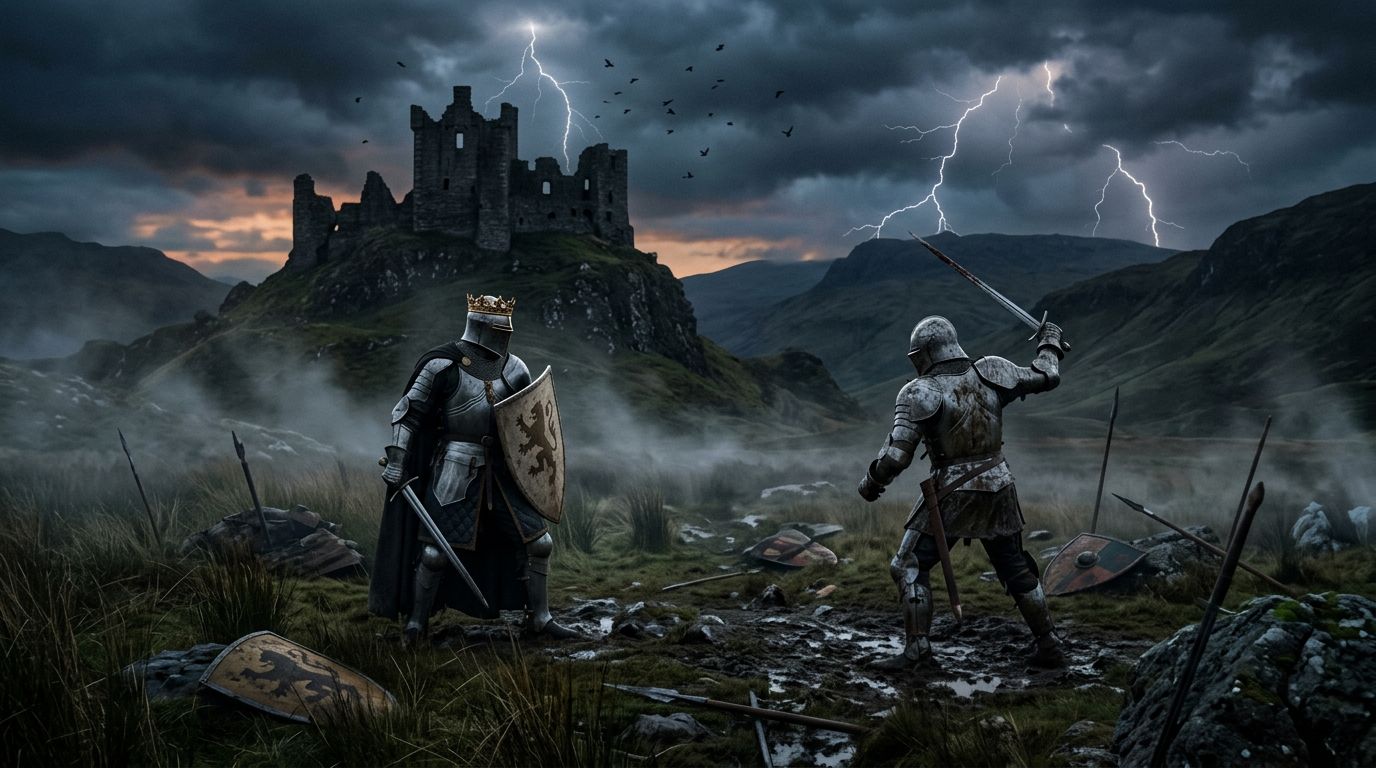
If you want the short answer, the macbeth climax is usually Macbeth’s final showdown with Macduff in Act 5, Scene 8. That’s the moment when the play’s biggest conflict finally breaks open, and Macbeth falls.
Why this scene? Because it brings together the witches’ prophecies, Macbeth’s fear, Macduff’s revenge, and Scotland’s fight to get rid of a tyrant. In other words, all the drama that’s been simmering for five acts boils over at once.
The climax of Macbeth is the battle where Macduff kills Macbeth, ending Macbeth’s rise and his rule.
The climax of Macbeth happens when Macduff faces Macbeth
By the time the play reaches Act 5, Macbeth looks powerful on the outside. He still wears the crown, and he still talks tough. However, his world is already cracking.
Lady Macbeth has fallen apart. Scotland is in chaos. Malcolm’s army is moving in. Even the witches’ promises, which once sounded like armor, start to feel slippery.
Then comes the scene that matters most. Macbeth meets Macduff in battle, ready to fight because he believes no man born from a woman can kill him. That prophecy has made him reckless. He thinks he’s untouchable.
Then Shakespeare drops the twist.
Macduff reveals that he was “from his mother’s womb untimely ripped,” which means he was born by Caesarean section, not in the usual way. Suddenly, Macbeth sees the trap. The prophecy didn’t protect him. It fooled him.
That’s why this scene is the climax. It’s the point of highest tension, and it decides the outcome. Macbeth’s confidence crashes. Macduff gets the revenge he’s wanted since Macbeth ordered the murder of his family. Scotland finally gets a shot at peace.
The moment doesn’t just feel big, it changes everything. Before the duel, Macbeth still has a chance to stand. After it, he’s done.
Think of it like the final act of a juicy scandal story. Rumors, lies, and bad choices have been piling up for ages. Then one reveal hits, and the whole thing collapses in public. That’s what this scene does for the play.
Why this scene matters more than any other moment
A climax isn’t simply the loudest scene. It’s the scene where the story’s main pressure reaches its peak and forces a result. That’s an important difference.
Macbeth has plenty of huge moments. Duncan’s murder is shocking. Banquo’s ghost at the banquet is creepy and chaotic. Lady Macbeth’s sleepwalking scene is chilling. Still, none of those scenes settles the main conflict.
The main conflict is Macbeth against justice, order, and the people trying to remove him. Macduff becomes the sharpest face of that conflict. He has personal grief, moral anger, and a real reason to fight. So when he meets Macbeth, the story stops circling and lands its punch.
This is also where the witches’ words finally come due. Earlier, Macbeth treated prophecy like a VIP pass. He heard what he wanted and ignored the fine print. By the climax, that choice comes back to haunt him.
Birnam Wood “moving” toward Dunsinane already shakes him. Malcolm’s soldiers use branches as camouflage, so another prophecy appears to come true. Then Macduff’s birth story destroys Macbeth’s last bit of false comfort. Because of that, the duel feels fated, but also earned.
Shakespeare also makes the scene emotionally clean. Macbeth has become isolated, feared, and hollow. Macduff, on the other hand, carries real pain and real purpose. Their fight isn’t random. It’s the collision the whole play has been building toward.
So yes, there’s swordplay. There’s also something bigger. The climax strips Macbeth of every illusion he clung to, then ends his story in the same bloody style he chose for others.
Scenes people often confuse with the climax
This is where things get fun, because Macbeth has more than one scene that feels like a peak. That’s why students often mix up the climax with the turning point.
Here’s a quick way to sort it out:
| Scene | What happens | Why it matters | | | | | | Act 2, Scene 2 | Macbeth kills Duncan | Starts the tragedy, but doesn’t resolve it | | Act 3, Scene 4 | Banquo’s ghost ruins the banquet | Shows Macbeth losing control in public | | Act 5, Scene 1 | Lady Macbeth sleepwalks | Reveals guilt, but not the final outcome | | Act 5, Scene 8 | Macduff kills Macbeth | Resolves the main conflict, this is the climax |
The big takeaway is simple. Some scenes are turning points, while one scene is the climax.
Duncan’s murder launches Macbeth’s downfall. After that, there’s no going back. Banquo’s ghost scene also matters because it exposes Macbeth’s fear and pushes him deeper into violence. If a teacher says that scene feels like the emotional peak, that reading makes sense.
Still, in most plot summaries and classroom discussions, the macbeth climax is the final duel. That’s because it answers the play’s biggest question: will Macbeth keep power, or will someone bring him down?
A turning point changes the direction of the story. The climax decides the story.
That little rule clears up a lot of confusion.
It also helps explain why the ending hits so hard. Macbeth doesn’t lose because he lacked courage. He loses because he trusted half-truths, fed his ambition, and built his rule on murder. By the time Macduff reaches him, the crown already feels like a costume that no longer fits.
The bottom line on the climax of Macbeth
So, what is the climax of Macbeth? It’s Macbeth’s final battle with Macduff in Act 5, Scene 8, when Macduff reveals the truth about his birth and kills him. That scene carries the most tension, settles the main conflict, and brings the tragedy to its end. If the play starts with ambition catching fire, the climax is the moment the whole thing burns out.
What Is the Climax of To Kill a Mockingbird? The Key Scene Explained
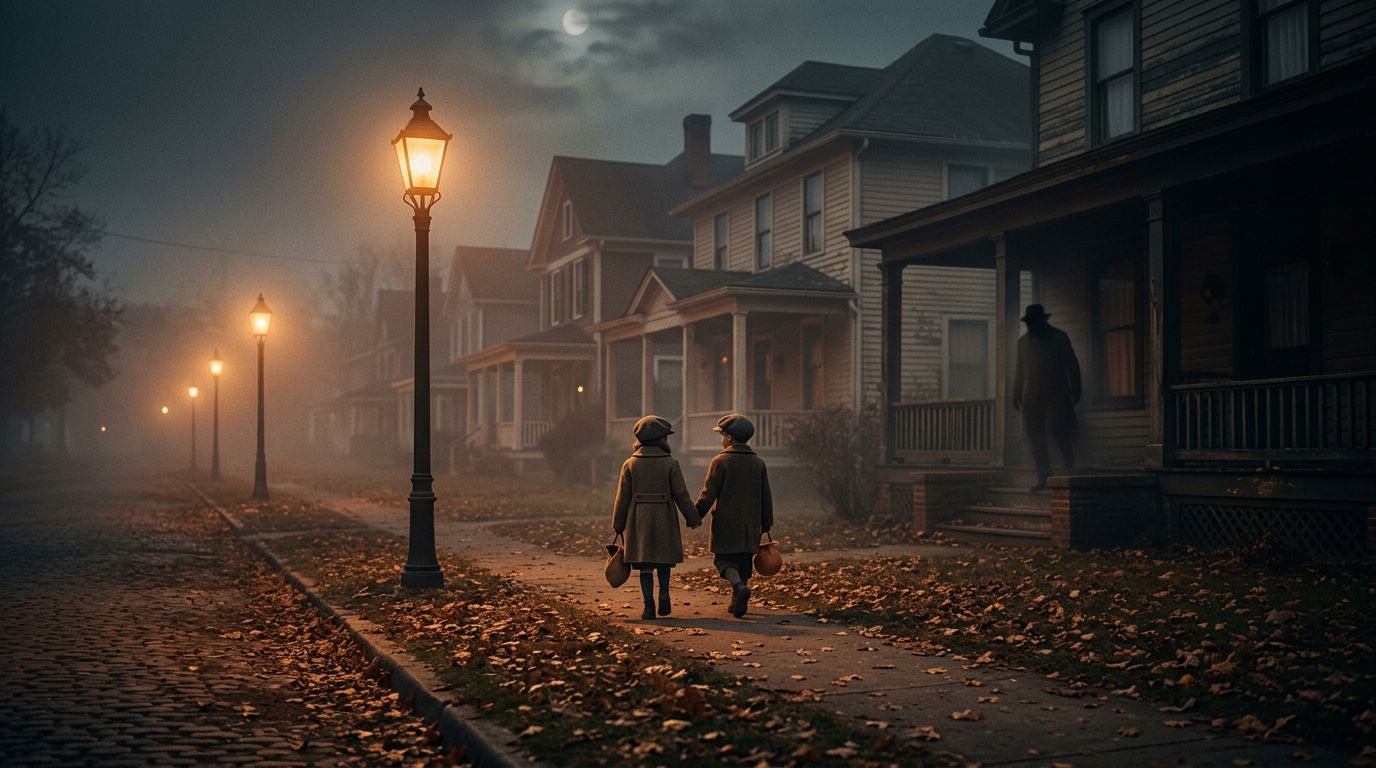
If you need the short answer, here it is: the climax of To Kill a Mockingbird happens on Halloween night, when Bob Ewell attacks Jem and Scout, and Boo Radley saves them.
That scene is the novel’s point of highest tension. It’s the moment when the danger turns real, the hidden hero steps forward, and the story starts rushing toward its end. Many readers, though, pick the trial verdict instead, and that confusion makes sense.
Harper Lee sets a clever trap. The trial feels huge, loud, and unforgettable. Still, the book saves its final punch for the dark walk home.
The climax happens when Bob Ewell attacks Jem and Scout
In literature, the climax is the point where the main conflict reaches its sharpest edge. After that, the story begins to resolve. By that rule, the big trial scene is important, but it isn’t the final peak.
The actual turning point comes after Scout’s Halloween pageant. She and Jem walk home at night. Then someone starts following them. Within seconds, the mood flips from spooky to terrifying.
Bob Ewell attacks the children in the dark. Jem fights back, Scout struggles in her bulky costume, and chaos takes over. Jem gets badly hurt. Scout can’t fully see what’s happening, which makes the scene even more intense. Everything feels tangled, loud, and panicked.
Then the mystery figure appears.
That figure is Boo Radley, the neighbor kids had feared and imagined for years. Instead of being a monster, he becomes their protector. By the end of the struggle, Bob Ewell is dead, Jem is injured, and Boo is finally brought into the light.
If your teacher wants the plot climax, this is the scene to name: Bob Ewell’s attack on Jem and Scout, and Boo Radley’s rescue.
Why does this scene count as the climax? Because it gathers the novel’s biggest threads into one moment:
- Bob Ewell’s revenge after the trial
- Scout and Jem’s loss of innocence
- Boo Radley’s reveal
- The shift from danger to resolution
It’s also the point of maximum risk. During the trial, Tom Robinson’s life hangs in the balance. During the attack, Jem and Scout’s lives do too. The novel suddenly stops being a courtroom story and becomes a survival scene.
That’s why this moment hits so hard. The book has been circling fear for chapters. Here, fear finally steps out of the shadows and grabs the kids by the throat.
Why the trial verdict feels like the climax to many readers
Now for the part that trips people up.
A lot of readers say the climax is when Tom Robinson is found guilty. Honestly, that answer isn’t wild. The trial is the emotional center of the book. It exposes Maycomb’s racism in plain view, and it crushes the hope that truth will win.
Atticus makes a strong case. Tom’s innocence feels clear. Yet the jury convicts him anyway. That verdict stings because it shows the town choosing prejudice over justice. If this were a splashy headline moment, the trial would own the front page.
Still, an emotional high point isn’t always the same as a plot climax.
After the verdict, the story doesn’t wrap up. Instead, danger keeps building. Tom later dies while trying to escape prison. Bob Ewell spits in Atticus’s face, threatens people involved in the case, and simmers with anger. Those events matter because they show the conflict is still alive.
Here’s the easiest way to sort it out:
| Scene | Why it feels huge | Plot role |
|---|---|---|
| Tom Robinson’s guilty verdict | Emotional and moral shock | Major turning point |
| Bob Ewell attacks Jem and Scout | Highest physical danger, final confrontation | Climax |
So, the verdict is the moral peak, while the attack is the structural peak.
That distinction matters because To Kill a Mockingbird isn’t only about the trial. It’s also about childhood fear, the damage of hatred, and the truth about Boo Radley. The trial lights the fuse. The attack is where it explodes.
How the climax ties together Boo Radley, innocence, and justice
The Halloween attack doesn’t just raise the stakes. It also completes the book’s deeper ideas.
First, it transforms Boo Radley. For most of the novel, Boo is more rumor than person. He’s the neighborhood ghost story, the guy behind the shutters, the name kids whisper for fun. Yet when the worst moment comes, he’s the one who acts with courage.
That twist matters. Lee takes the town’s most misunderstood person and turns him into the novel’s quiet hero. It’s a perfect reversal, and it lands without fanfare. Boo doesn’t show up for applause. He shows up because the children need help.
Second, the climax pushes Scout closer to maturity. Up to this point, she’s been learning hard lessons about cruelty, class, and race. During the attack and its aftermath, those lessons stop being abstract. They become personal.
Afterward, Sheriff Tate tries to protect Boo from public attention. Atticus first believes Jem may have killed Bob Ewell. Then the adults sort out what really happened, or at least what they’ll say happened. That choice links back to the novel’s mockingbird idea.
Tom Robinson is a mockingbird figure because he is innocent and harmed by others’ cruelty. Boo is one too, because he is gentle and would suffer if the town dragged him into the spotlight. Exposing Boo would be like punishing someone who only tried to help.
The final scenes make that lesson click. Scout walks Boo home. Then she stands on his porch and imagines the neighborhood from his view. That moment is quiet, but it’s powerful. Atticus once told her to climb into another person’s skin and walk around in it. On Boo’s porch, Scout finally does.
So the climax is more than an attack. It’s the door swinging open on the book’s heart.
The bottom line on the To Kill a Mockingbird climax
The to kill a mockingbird climax is the attack on Jem and Scout, followed by Boo Radley’s rescue. The trial verdict may feel bigger at first because it carries the novel’s deepest moral blow. Still, the Halloween scene is where the central conflict reaches its highest point and turns toward resolution. Once you see that split, emotional peak versus plot peak, the whole book makes a lot more sense.
-
 Celebrity Info2 months ago
Maya Oakley: A Journey of Lifestyle and Resilience in the Face of Illness
-
 Celebrity Info3 years ago
Shane Oakley: Dr. Michelle Oakley’s Family-Oriented Husband and Sports Enthusiast
-
 Celebrity Info3 years ago
Freddy Dodge Net Worth, Personal Life, Passions, and Role in Gold Rush
-
 Celebrity Info3 years ago
Carl Rosk From Gold Rush | What Happened To Him?
-
 Celebrity Info3 years ago
Mitch Blaschke Net Worth – Age, Personal Life and Role in Gold Rush
-
Celebrity Info2 years ago
Josephine Archer Cameron – Daughter of the Famous Movie Maker James Cameron
-
 Celebrity Info3 years ago
Andre The Giant Wife – Jean Christensen – Is She Still Alive?
-
 Celebrity Info3 years ago
Tyler Mahoney Net Worth, Relationship with Parker Schnabel, And Role in Gold Rush