
shows-comics-novels
The Giver Climax Explained: The Moment Everything Breaks

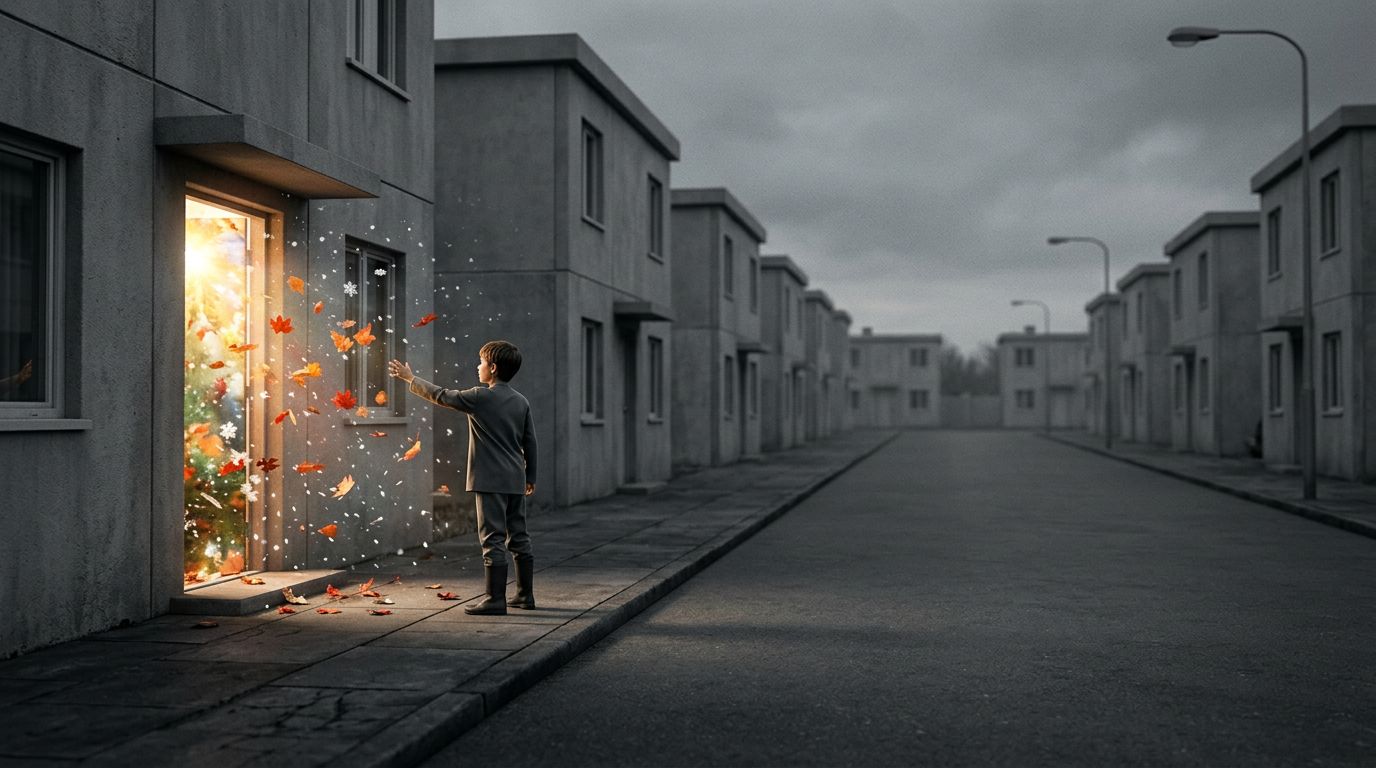
If The Giver feels calm at first, that’s the point. Lois Lowry sets up a community that looks tidy, polite, and perfectly managed, like a neighborhood with a smiley HOA and zero mess.
Then the truth hits, and it hits hard.
If you’re searching for the Giver climax, you’re really asking one question: When does Jonas stop “going along” and start fighting back? The answer isn’t a random action scene. It’s a single, chilling discovery that flips the story from controlled to chaotic in seconds.
The slow build that makes the climax sting
Before the big turning point, the book plays a long con. Jonas lives in a society where emotions get smoothed out, choices get made for you, and rules sit on top of everything like a heavy lid. It’s not a prison with bars. It’s a life with training wheels that never come off.
Jonas gets selected as the Receiver of Memory, and suddenly he’s the only kid in town learning what real life used to feel like. The Giver passes him memories of color, sunshine, snow, music, love, pain, war, and hunger. At first, it’s almost like Jonas has VIP access to a secret world.
However, those memories don’t just add flavor. They create contrast. The more Jonas learns, the more his Community starts to look fake, like a picture that’s been edited a little too much.
Meanwhile, little details start to turn into red flags:
- “Release” gets treated like a normal event, yet nobody explains it clearly.
- People apologize for tiny “mistakes” like they’re reading from a script.
- Jonas realizes his family’s warmth has limits because the system built those limits.
If you want a chapter-by-chapter refresher of how the plot stacks these clues, the LitCharts plot summary of The Giver lays out the progression in a clear timeline.
By the time Jonas starts asking harder questions, the story is already pointing toward one ugly secret. It’s just waiting for Jonas (and the reader) to actually see it.
The tension in The Giver isn’t “Will Jonas break a rule?” It’s “What are the rules hiding?”
What is the climax of The Giver? The tape that changes everything
In most story terms, the climax is the moment of no return. It’s the point where the main character can’t go back to their old self, even if they wanted to.
In The Giver, that moment is when Jonas watches the recording of his father performing a “release” on an infant twin. He expects something gentle, maybe ceremonial. Instead, he sees his father casually inject the baby, watch the child die, then dispose of the body like it’s routine cleanup.
That’s the gut-punch. That’s the Giver climax.
Jonas doesn’t just learn a disturbing fact. He witnesses it, and the difference matters. A rumor can be ignored. A video you can’t unsee becomes a turning point that rewires your brain.
Just as important, this moment changes what “release” means in the story. The Community uses soft words to keep things calm. Jonas finally understands the trick: the language is part of the control. Once he sees the truth, the system’s polite mask falls off.
Some readers also point to the planning session with The Giver as the climax, when they decide Jonas will escape and force memories back into the Community. That plan is huge, but it’s a response to the real explosion, the moment Jonas learns what he’s been living inside.
Here’s a quick way to separate the “big scenes” people debate:
- The videotape of release: The emotional and moral snap, Jonas’s innocence ends.
- The escape plan: The strategic pivot, Jonas turns shock into action.
- Jonas fleeing with Gabe: The action pivot, the plan becomes real under pressure.
For a straightforward explanation of how this fits traditional plot structure, see Study.com’s breakdown of the climax and ending.
Once Jonas sees the tape, he isn’t just uncomfortable. He’s done. The story stops being about learning memories and starts being about survival, resistance, and getting out before the Community “releases” someone he loves.
Why the climax matters: it turns “safe” into terrifying, fast
After the climax, everything moves with a different heartbeat. Jonas’s world used to feel predictable. Now it feels dangerous, even in his own home. His father isn’t a villain in the mustache-twirling sense, which makes it worse. He’s kind, helpful, and totally trained to see murder as policy.
That’s the horror Lowry nails: the Community doesn’t run on cruelty. It runs on obedience and euphemisms.
To keep the turning point clear, it helps to sort the last stretch of the book into story phases. Here’s the simplest way to map it:
| Story part | What it means in The Giver | Key moment |
|---|---|---|
| Rising action | Pressure builds, truths pile up | Jonas receives memories, questions rules |
| Climax | No-return discovery | Jonas watches the release recording |
| Falling action | The fallout, the scramble | Jonas accelerates the plan, escapes with Gabe |
| Resolution (ambiguous) | What we’re left to interpret | Jonas reaches music and lights, or imagines them |
The takeaway is simple: the climax is the moral break, and the escape is the fallout.
This is also why the ending feels so debated. Lowry doesn’t hand you a neat bow. Instead, she leaves you with an image that could be hope, hallucination, or something in between. If you want a guided tour of the final pages and what they might mean, SparkNotes on the ending’s meaning collects the most common interpretations.
Still, the climax doesn’t depend on the ending. Even if you disagree about the last scene, Jonas’s turning point stays the same. The moment he sees the release, he chooses humanity over comfort, even though it costs him everything familiar.
The Community’s control works until someone names what’s happening. Jonas does more than name it, he sees it.
Conclusion: The Giver climax is the moment Jonas loses innocence and gains a mission
The climax of The Giver happens when Jonas watches the release tape and realizes “release” means killing. From that second on, he can’t live like he did before. The rest of the book is the domino effect, fear, urgency, and a desperate escape with Gabriel.
If you’re re-reading or writing about the book, focus on what changes inside Jonas at that exact moment. The plot turns, but so does his identity. And once the truth is visible, going back isn’t an option.
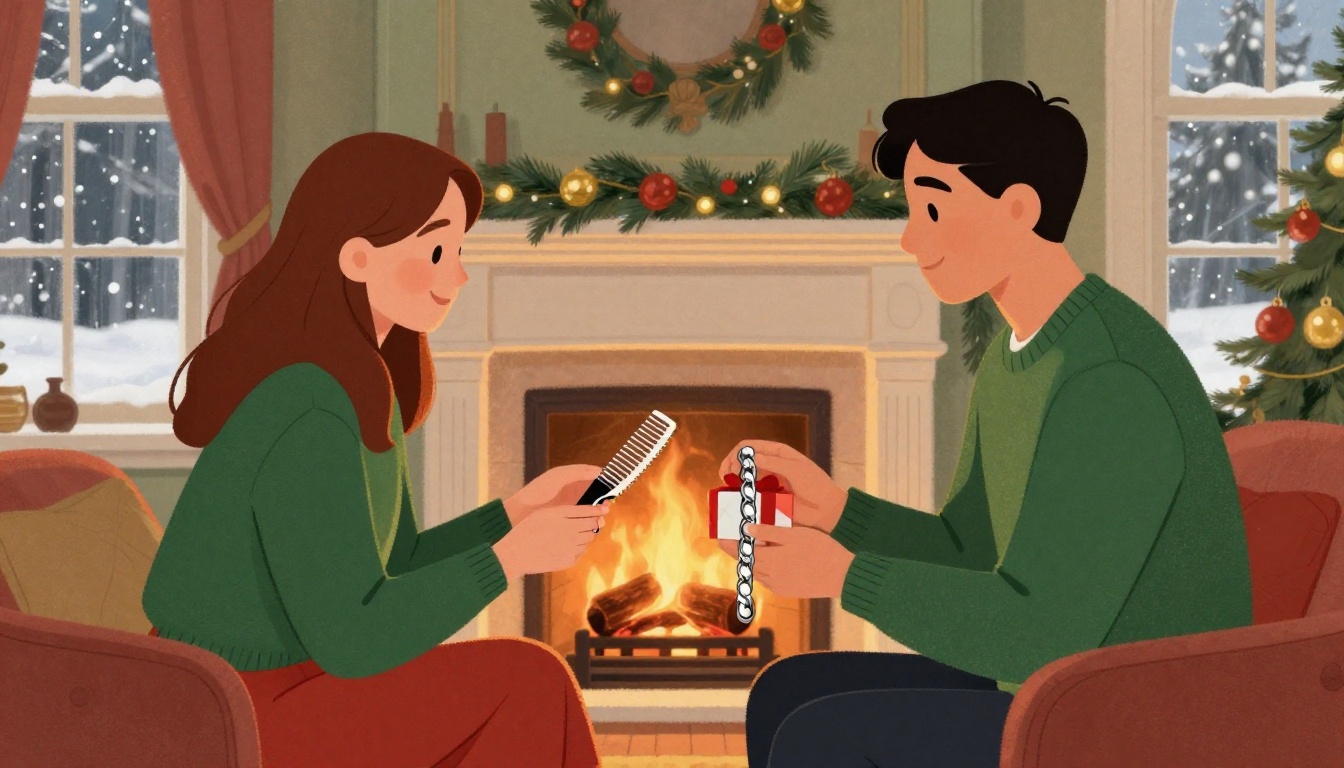
Some stories whisper their message. The Gift of the Magi, O. Henry’s classic short story, drops it right in your lap like a Christmas present with a sting.
When analyzing literary structures, the exposition introduces us to the financial struggles of Della and Jim, and the plot structure builds toward a sudden reveal. If you’re trying to pin down what is the climax of The Gift of the Magi, the answer is clear. The climax happens when Della and Jim exchange their gifts and realize they each sold their most prized possession to buy something for the other. It is the story’s sharpest, saddest, sweetest moment, all at once.
That scene is where the emotion spikes, the irony snaps into place, and the whole story suddenly glows. Let’s break down why.
The exact moment the story reaches its climax
The gift of the Magi climax arrives during the gift exchange on Christmas Eve in The Gift of the Magi. Della gives Jim a platinum chain for his treasured gold watch. Then Jim gives Della a set of beautiful tortoise shell combs for her long hair. That is when the twist lands.
Della had sold Della’s hair to Madame Sofronie to buy Jim’s chain. Jim had sold his gold watch to buy Della’s combs.
Boom. Holiday heartbreak, with extra tenderness.
That reveal is the climax because it is the point of highest tension. During the rising action, the story builds around sacrifice, worry, and anticipation. In another key moment of the rising action, Della anxiously sells her hair and frets over Jim’s reaction to her new short cut. You feel the nerves in the room as the rising action leads to this peak. Then the Christmas gifts come out, and the emotional pressure finally bursts with situational irony.
The climax hits the second both gifts are revealed, because that is when love and irony collide.
It also works because the scene changes everything in an instant. Before the gift exchange, Della and Jim think they have found the perfect Christmas gifts. After it, they realize their presents cannot be used as planned due to the situational irony. The chain has no gold watch. The combs have no long hair.
Still, the scene does not feel cruel. It feels human, showcasing the sacrificial love between Della and Jim. That is why it sticks.
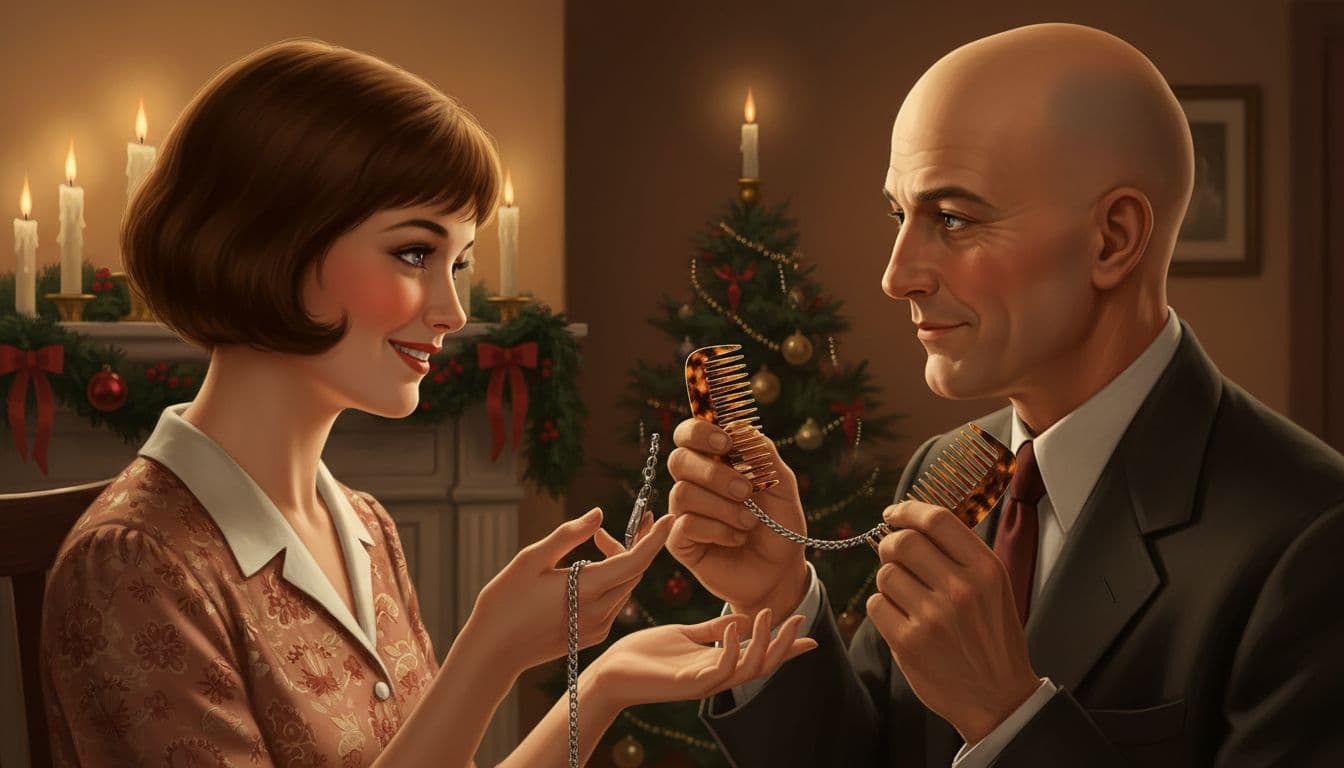
At first glance, the gifts seem useless. Yet the moment reveals something bigger than the gifts themselves. Each spouse valued the other person more than their own pride, comfort, or prized item. That is why this is not only the plot peak, but also the heart of the story.
Why the climax feels both brutal and beautiful
O. Henry knew how to pull off a twist in his short story “The Gift of the Magi,” and this one is slick. The scene has irony, but not the smug kind. It hurts a little, then it melts you.
What makes the climax so memorable in “The Gift of the Magi” is the balance between loss and love, or more precisely, sacrifice and love. Della loses her famous Della’s hair, one of her treasured possessions. Jim loses his heirloom gold watch, another treasured possession. On paper, that sounds like a disaster. In emotional terms, though, it proves how deep their sacrifice and love runs for each other.
Here’s the exchange in a quick snapshot:
| Character | What they sell | What they buy | The irony |
|---|---|---|---|
| Della | Della’s hair | A platinum chain for Jim’s gold watch | Jim no longer has the gold watch |
| Jim | His gold watch | Tortoise shell combs for Della’s hair | Della no longer has the long hair |
The presents fail in a practical way with their material possessions, but they succeed in a deeper one. That’s the whole trick of “The Gift of the Magi.”
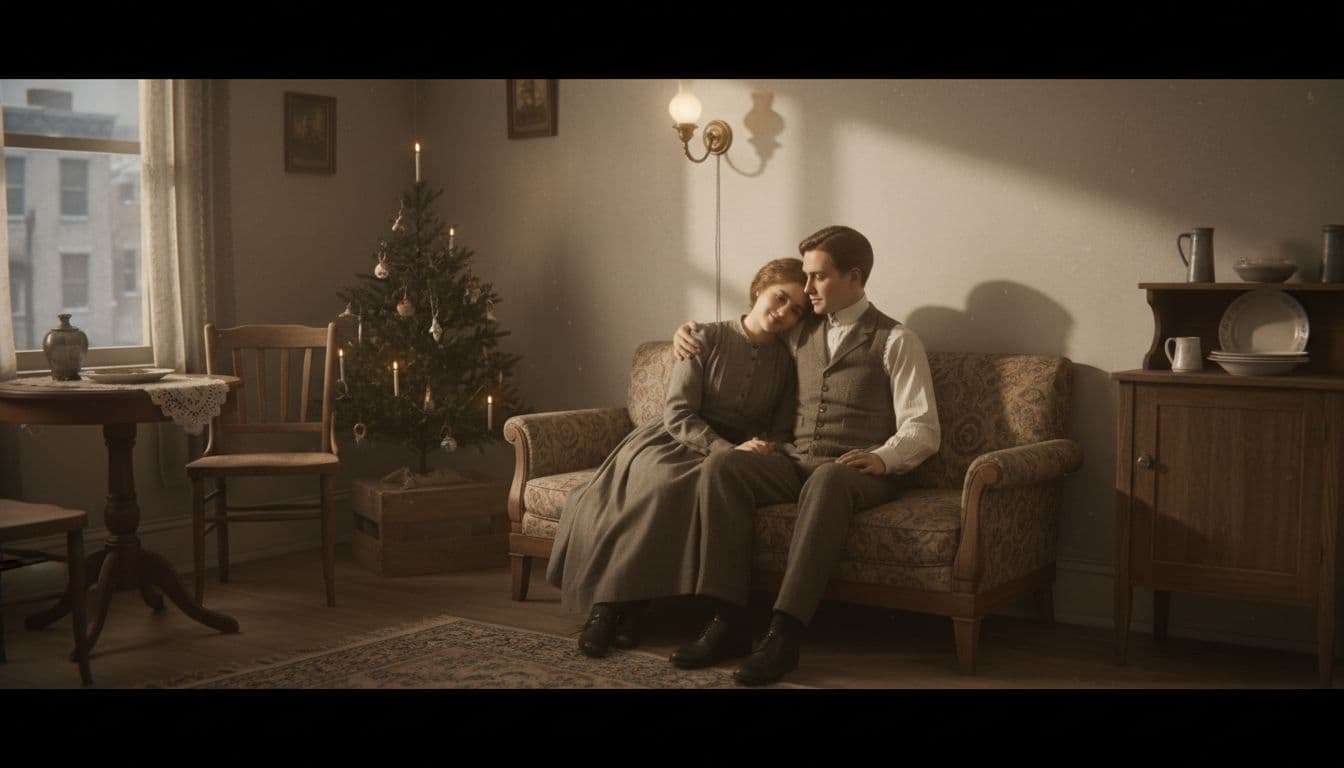
O. Henry sets “The Gift of the Magi” in the early 1900s to emphasize the value of Della and Jim’s treasured possessions amid their modest lives. Their poor apartment matters, too. Della and Jim are not rich people making flashy holiday choices with material possessions. They are scraping together sacrifice and love on a tiny budget. Because of that, every dollar counts, and every sacrifice feels bigger.
The climax also shows their character without long speeches. Della acts out of love. Jim does the same. Neither asks for applause. They simply give.
That’s why the scene still lands, even now. It’s like watching Della and Jim accidentally expose the purest part of themselves. Messy? Yes. A little ridiculous? Also yes. But fake? Not at all. The beauty lies in their sacrifice and love triumphing over mere material possessions.
Climax vs. ending, the part many readers mix up
A lot of readers blur the climax and the ending together in “The Gift of the Magi.” That makes sense, because they sit close to each other on the plot diagram. Still, they are not the same thing.
The climax
The climax is the gift exchange and realization in “The Gift of the Magi.” That is the turning point before the falling action. It holds the shock, the irony, and the strongest emotion in the story.
Everything before it builds toward that reveal. Della counts her money, sells her hair, and worries about Jim. Meanwhile, the reader waits to see if her sacrifice will pay off. Then Jim walks in, Della and Jim reveal their gifts, and the emotional bomb goes off.
The ending
The ending comes right after in the falling action and resolution. This is when the narrator steps in and explains why Della and Jim are like the magi, the wise men from the Bible story of Jesus’ birth who invented the art of giving Christmas gifts.
The narrator calls Della and Jim two foolish children at first, but they are actually the wisest of all because of their unconditional love. That final note in the resolution matters because it delivers the surprise ending of this short story. It tells you how to read the twist and ties back to the title “The Gift of the Magi.” Without it, the story might seem like a sad joke. With it, the story becomes a tribute to selfless love. Their gifts were impractical, yes, but their hearts were wise, just like the magi.
So if a teacher, quiz, or late-night Google search asks, “What is the climax of ‘The Gift of the Magi’?” the clean answer is this: the climax is when Della and Jim exchange gifts and discover that each has sacrificed the very thing the other person’s gift was meant to honor.
That scene is the emotional high point. The resolution only seals the message, much like the magi.
The real punch of the story is not that the gifts fail. It’s that the love behind them doesn’t.
That’s why the climax still works so well. It gives you irony, tenderness, and a quiet little gut punch in the same breath.
If you remember one thing, remember this: the gift exchange is the peak, but the sacrifice is the reason it matters.
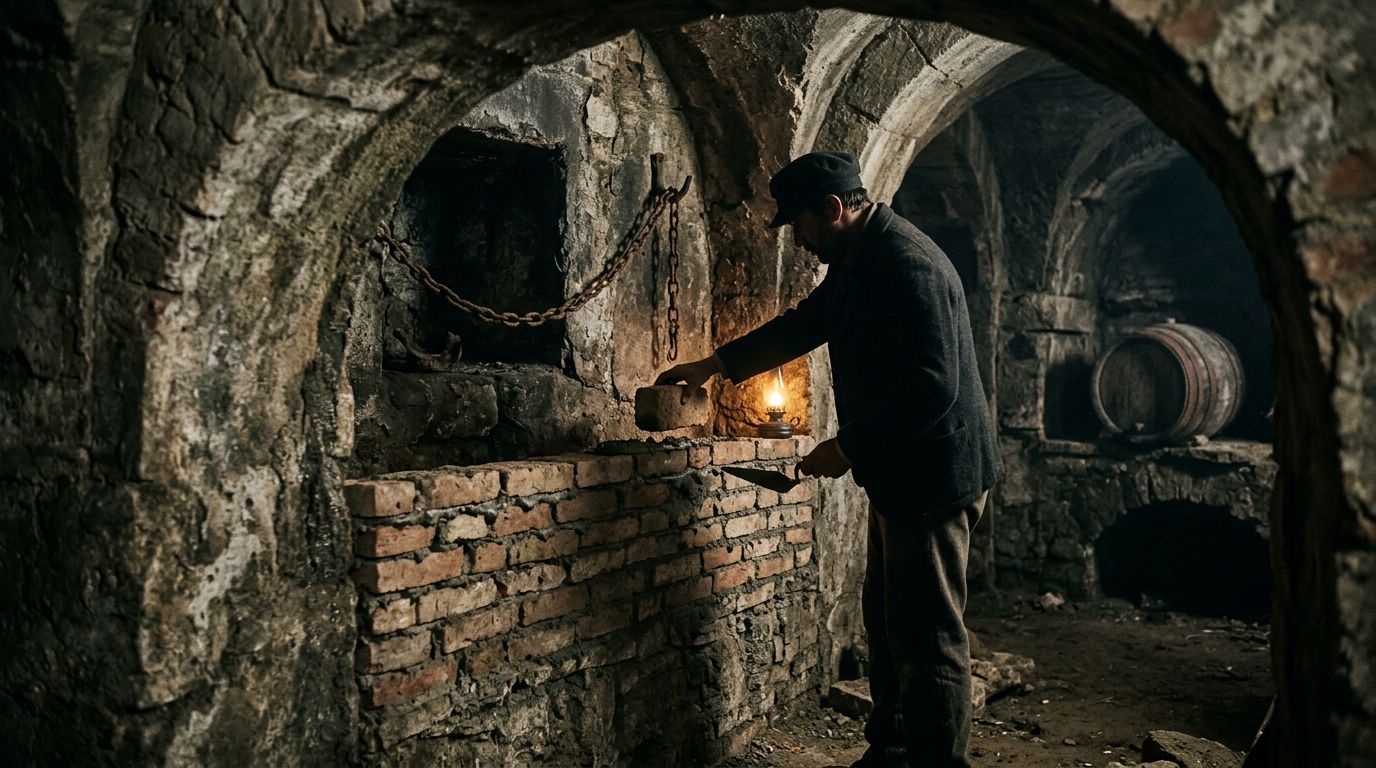
The answer comes with bricks, chains, and one of fiction’s meanest fake smiles. In Edgar Allan Poe’s short story “The Cask of Amontillado,” the cask of amontillado climax lands when the narrator Montresor traps Fortunato inside the catacombs and begins sealing him behind a wall.
If you finished the tale and thought, “Hold on, was it the chains, the screaming, or the last brick?” you’re not alone. After the exposition builds suspense through the narrator’s vengeful setup, the scene moves fast, so it helps to pin down the exact peak and why it still hits like a horror movie jump scare.
The short answer: the Cask of Amontillado climax
The Cask of Amontillado climax happens in the vaults, when Montresor springs the trap for real. He lures Fortunato deeper underground with the promise of rare Amontillado, plays the loyal friend, and keeps the mood weirdly casual. Then, in a tiny recess, he shackles Fortunato to the granite.
That’s the moment the story turns from creepy to final.
Many readers also fold in the next beats, Montresor laying brick after brick while walling up Fortunato, Fortunato sobering up, and the awful realization that this isn’t a prank. That whole sequence works as the peak because the tension snaps there. Before it, danger hangs in the air. After it, there is no escape.
The climax is the instant Montresor’s vengeance against Fortunato stops being a plan and becomes a fact.
Some teachers split hairs and say the highest emotional point comes when Fortunato realizes the truth, while others point to the first row of stones. Both ideas live in the same scene. So, if you need the clean answer, say this: the climax occurs when Montresor shackles Fortunato in the niche and begins walling him up.
That answer fits the plot, the pacing, and the emotional shock. It also explains why readers remember this scene more than any other. It’s the trapdoor under the whole story.
Plot Analysis: Why This Scene Counts as the Climax, Not Only a Scary Moment
A climax isn’t only the scariest part. It’s the point of no return. In Poe’s story, everything before the catacomb trap builds toward that one ugly payoff.
Montresor starts with a claim that Fortunato insulted him. Then he picks the carnival season, when masks and chaos make deception easy on the way to the catacombs. After that, he dangles the bait of a rare cask of Amontillado. He keeps offering wine, acts worried about Fortunato’s cough, and flatters Fortunato’s ego. So the story keeps tightening, one polite lie at a time.
This quick breakdown makes the structure easier to see:
| Story stage | What happens | Why it matters |
|---|---|---|
| Rising action | Montresor lures Fortunato into the catacombs | Suspense builds |
| Climax | Fortunato is chained and walled in | The trap closes |
| Falling action | Montresor finishes the wall and leaves | The horror settles |
The key thing is choice. Before the climax, Fortunato still thinks he can turn back. Montresor still hides behind manners. Once the chains click and the bricks rise, both masks drop. Fortunato becomes a victim. Montresor becomes exactly what he planned to be, punishing with impunity.
That’s why the cask of Amontillado climax matters so much. It isn’t random violence tossed into the story. It’s the single scene that unlocks every threat Poe planted earlier.
The details that make the climax so unforgettable
Poe doesn’t need gore to make this scene nasty. Instead, he uses little details that stick in your head like burrs on a coat, deepening the symbolic meaning of Montresor’s revenge on Fortunato.
First, Fortunato is dressed like a fool, complete with jingling bells. That image is brutal. He enters the catacombs in carnival costume, tipsy and smug, almost like the story is laughing at him before Montresor does. The catacombs reek of damp nitre on the walls, and those jingling bells echo in the dark while he struggles. It’s a small sound, but it chills the whole scene.
Next, Montresor’s calm voice makes everything worse. He doesn’t rant like a movie villain. He works like a mason with his trowel. He stacks stones. He answers screams with patience, even dropping the ironic pun about being a mason. That cool tone feels colder than shouting because it shows how planned this revenge is.
Then there’s the irony. Fortunato thinks he’s the wine expert. He thinks he has the social upper hand with the supposed Amontillado. Yet his pride walks him straight into the tomb. Meanwhile, Montresor keeps sounding helpful, even flashing his coat of arms whose motto vows no one attacks with impunity, even as he leads Fortunato to doom. It’s like watching someone smile for a photo while the building behind them catches fire.
Poe also plays the setting perfectly. The catacombs are damp, tight, and packed with bones. So when Montresor builds a wall inside a place already full of the dead, the story feels sealed from every angle. By the time Fortunato cries out, the air itself seems to close in.
What the climax reveals about Montresor and Fortunato
This scene tells you who these men are, without wasting a word.
Montresor is patient, proud, and scary in the quiet way. He doesn’t chase revenge in a hot rage. He scripts it. He chooses the place, the bait, the timing, and even the tools. The climax proves his control. He has wanted this moment for a long time, and now he performs it like a grim piece of theater.
Fortunato, on the other hand, falls because of pride. He wants to prove he knows more than Luchesi. He wants the rare wine. He wants to be the smartest man in the room, even when there isn’t really a room anymore, only a crypt. That flaw makes the trap work.
Some readers say the true peak comes a beat later, when Fortunato pleads, “For the love of God, Montresor!” That’s a fair take. Emotionally, that line punches hard because Fortunato finally sees the full horror. Still, that plea belongs to the same climax scene, not a separate one.
After that, the story cools into something even uglier during its denouement. Montresor finishes the wall, utters the Latin phrase “In pace requiescat,” and leaves the crypt behind in his palazzo, the same starting point of their doomed journey, for a sense of grim circularity. He tells the tale fifty years later. So the shock of the climax turns into the chill of the final scene and aftermath, and that chill lingers.
The climax of “The Cask of Amontillado” is the walling-up scene, above all the moment Montresor chains Fortunato and starts sealing the niche. That’s where the tension peaks and the story’s fake politeness dies.
If you want the short story to hit harder on a re-read, watch how every joke, cough, and compliment points to that one brick-by-brick payoff in the cask of Amontillado climax. Poe doesn’t simply end the party, he buries it.
What Is the Climax of Of Mice and Men?
In John Steinbeck’s novella Of Mice and Men, set against the backdrop of the Great Depression, protagonists George Milton and Lennie Small chase the American Dream on a California ranch. Most people remember the ending because it hits like a brick. But if you’re trying to pin down the climax, the key moment comes a little earlier.
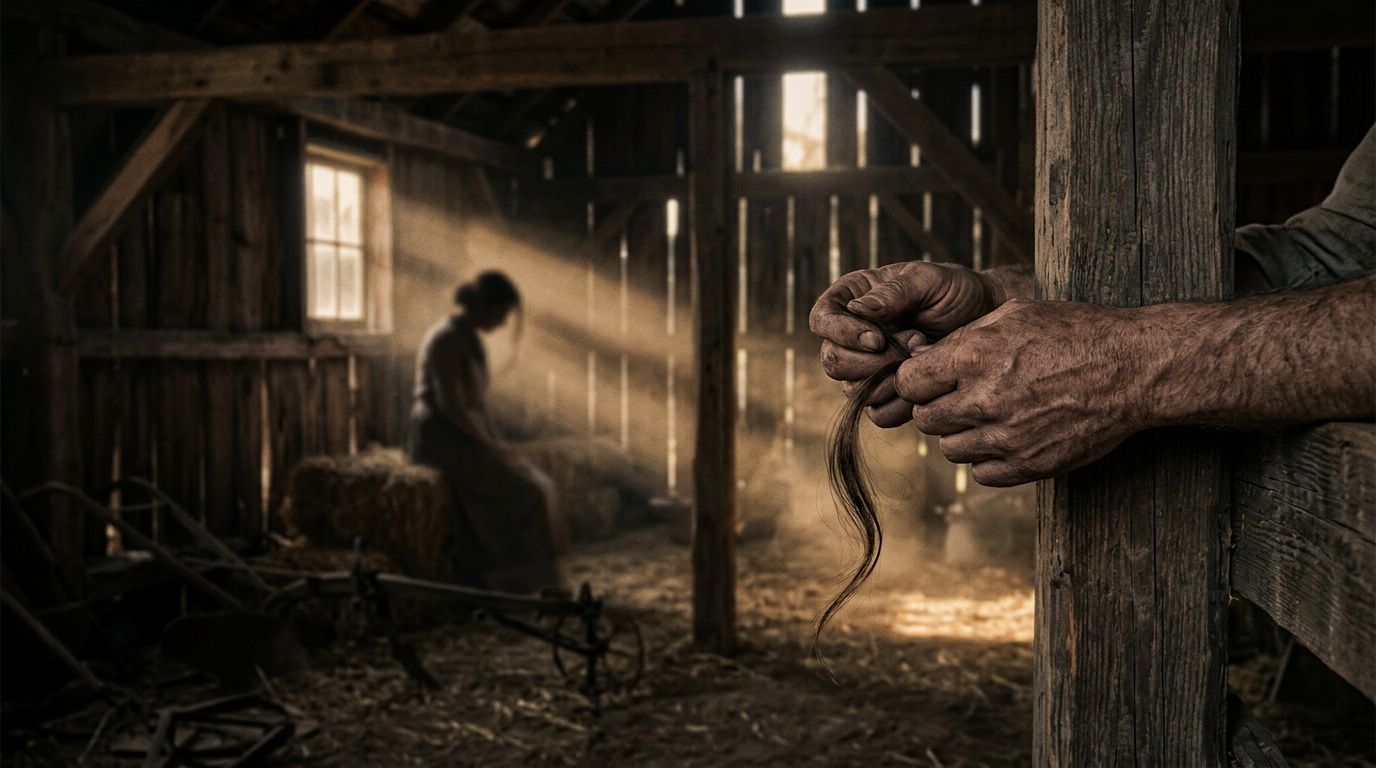
If you’re searching for the Of Mice and Men climax, it’s the barn scene where Lennie accidentally kills Curley’s wife. That’s the instant the story can’t turn back, and every hope in the book starts to collapse.
After that, the novella sprints toward tragedy. The reason is simple, that scene changes everything.
The short answer: the climax happens in the barn
In plain terms, the climax occurs when Lennie Small, scared after Curley’s wife screams, grabs her hair in his obsession with soft things and accidentally kills her by snapping her broken neck in the barn. Up to that point, George Milton still believes he can manage Lennie Small’s mistakes. After that, he can’t.
George Milton has spent the whole novella acting like a handler, a brother, and a clean-up crew. The barn scene ends that role. He stops asking how to fix the mess and starts thinking about how to spare Lennie Small from something worse.
This scene matters because it flips the book from hope to doom in seconds. The farm dream, which has floated through the novella like a warm little promise and briefly drawn in Candy, Crooks, and even Slim, suddenly goes dark. Candy’s money, George Milton’s plan, Lennie Small’s rabbits, all of it gets wrecked in one awful burst of panic.
The climax is the moment the dream dies, not the moment the book ends.
Steinbeck doesn’t toss this scene in for shock value. He builds toward it step by step. Lennie Small’s strength combined with his intellectual disability has always been a problem, leaving him obsessed with soft things. He killed a mouse without meaning to. He crushed his puppy. Back in Weed, he terrified a girl because he didn’t know his own power. So when the barn scene with Curley’s wife erupts, it feels shocking, yet it also feels hard to escape.
Curley’s wife matters here, too. She’s lonely, boxed in, and desperate to be heard. That makes the scene sadder, not softer. Two isolated people meet in a barn, and the result is disaster. Once she dies, the ranch turns savage fast. Curley wants blood, while men like Slim form a hunt alongside Candy and Crooks, and George Milton realizes the future he kept selling Lennie Small is gone for good.
That’s why this is the answer to “what is the climax of Of Mice and Men?” It is the point of no return.
Why the barn scene changes everything
A climax is the turning point where the main conflict peaks and the ending becomes unavoidable. The barn scene fits that job perfectly. Before it, the story still leaves a crack of light. After it, that crack slams shut.
In plot terms, this is where rising action turns into fallout. Before the barn, problems build. After the barn, consequences take over. That shift is what makes the scene more than sad. It gives the whole story its shape.
John Steinbeck lays the groundwork in the exposition, especially in the bunk house scenes where migrant workers and ranch hands share cramped quarters that amplify their profound loneliness. George Milton and Lennie Small keep feeding the dream of the American Dream there. They talk about their own land. Candy offers his savings. Even Crooks, for a brief moment, lets himself imagine a place where he could belong away from the bunk house isolation. The book is rough, yes, but it still holds a tiny glow of possibility amid the lives of these lonely ranch hands.
Then Lennie Small kills Curley’s wife, and that glow goes out. Curley wants revenge, not justice. Candy sees the farm vanish in real time. George Milton understands Lennie Small won’t survive if Curley gets to him first. As a result, every choice in the last chapter grows out of this one scene. George Milton and Lennie Small, as migrant workers chasing a fragile American Dream, face the harsh reality that binds all ranch hands together.
The moment also pulls together John Steinbeck’s biggest ideas. Dreams are fragile. Poverty keeps migrant workers trapped. Power on the ranch is twisted and uneven. Curley’s wife has almost no control over her own life, yet Lennie Small’s strength turns deadly when fear takes over. George Milton loves Lennie Small, but love can’t shield either of them from the world they live in. That’s the hard center of the book, underscored by the loneliness that haunts the bunk house and beyond.
Steinbeck also plants strong hints of foreshadowing before the climax. The dead mouse shows that Lennie Small destroys what he wants to hold. The puppy scene raises the stakes, much like the earlier shooting of Candy’s dog, another key piece of foreshadowing that echoes through the bunk house discussions. George’s warnings about trouble keep ringing in the background, building from the exposition. So when the barn scene arrives, it feels like a rope pulled too tight. The snap is sudden, but the tension and foreshadowing have been there all along, just as with Candy’s dog.
Because of that, the rest of the novella moves fast. There’s no real recovery, only fallout.
Why people confuse the climax with the ending
Plenty of readers point to the final scene as the climax, and that’s easy to understand. George Milton shooting Lennie Small is the most famous moment in the book. It’s the emotional knockout punch. If the barn scene is the trap closing, the Salinas River scene is the ache that follows.
In a formal plot diagram, though, the last part works like this:
- Climax: Lennie Small accidentally kills Curley’s wife in the barn.
- Falling action: The men form a lynch mob and hunt Lennie Small.
- Resolution: George Milton finds Lennie Small first and shoots him by the Salinas River.
That split matters. Steinbeck wants you to feel two blows, not one. The first destroys the dream, echoing the best-laid schemes of mice from the Robert Burns poem “To a Mouse” that inspired the title. The second shows what mercy looks like in a brutal place. George Milton’s mercy killing isn’t random, and it isn’t separate from the climax. It grows straight out of it. Because Lennie Small killed Curley’s wife, George Milton loses every gentler option.
Some teachers or readers may call the final scene “climactic” in a loose, everyday way. That’s fair if they mean it feels like the biggest emotional moment. Still, in literary terms, the true turning point happens earlier. The book turns in the barn. The Salinas River scene carries out the tragic result, as George Milton performs the mercy killing to spare Lennie Small from the pursuing lynch mob.
That’s why the of mice and men climax comes up so often in essays. Readers sense that the story breaks before it ends. George Milton’s gunshot hurts so much because fate was already locked in. By the time he reaches Lennie Small, the dream farm is dead, the friendship is cornered, and the novella is headed toward only one kind of finish.
The moment that seals the tragedy
The clean answer is simple. The climax of Of Mice and Men by John Steinbeck is the barn scene where Lennie Small kills Curley’s wife. That’s the moment the whole book cracks open, as Lennie’s obsession with soft things leads to her broken neck.
Keep that in mind when you read the ending again. George Milton’s final act doesn’t create the tragedy, it answers it. The last scene hurts because the climax already sealed everyone’s fate for George Milton and Lennie Small, and John Steinbeck makes you watch the cost in slow motion. Steinbeck crafts a tragedy centered on loneliness, with the broken neck of Curley’s wife as the point of no return. Slim is the only character who truly understands the weight of that final act.
-
 Celebrity Info3 months ago
Maya Oakley: A Journey of Lifestyle and Resilience in the Face of Illness
-
 Celebrity Info3 years ago
Freddy Dodge Net Worth, Personal Life, Passions, and Role in Gold Rush
-
 Celebrity Info3 years ago
Carl Rosk From Gold Rush | What Happened To Him?
-
 Celebrity Info3 years ago
Shane Oakley: Dr. Michelle Oakley’s Family-Oriented Husband and Sports Enthusiast
-
 Celebrity Info3 years ago
Mitch Blaschke Net Worth – Age, Personal Life and Role in Gold Rush
-
Celebrity Info2 years ago
Josephine Archer Cameron – Daughter of the Famous Movie Maker James Cameron
-
 Celebrity Info3 years ago
Tyler Mahoney Net Worth, Relationship with Parker Schnabel, And Role in Gold Rush
-

 shows-comics-novels1 month ago
Top 10 TV Shows About AI & Tech