
Celebrity Info
Kris Kelly Net Worth In 2026 And What Bering Sea Gold Really Pays


Reality TV can make anyone look loaded. Then the fuel bill shows up, the dredge breaks, and the shine fades fast.
That’s why Kris Kelly net worth is more interesting than it first appears. He’s been a familiar face on Bering Sea Gold for years, but TV fame and real wealth aren’t the same thing, especially when your office is the freezing Bering Sea. Here’s where the numbers likely stand in 2026.
Kris Kelly net worth in 2026, the best estimate
A fair 2026 estimate puts Kris Kelly’s net worth at about $200,000.
That figure lines up with several published estimates tied to his TV work and mining income. A cast net worth and salary roundup and a more recent Kris Kelly profile and updates both point to the same general range, even if no official balance sheet exists.

So why isn’t the number higher? Because net worth is not the same as yearly income. It’s what’s left after years of gear costs, repairs, taxes, crew shares, and the kind of setbacks that make gold mining look like a cash-eating machine.
Kris built his name on grit more than glamour. He didn’t stroll into easy money. He worked his way up through the Kelly family operation, and that path usually comes with risk, not smooth paydays. One strong season can help. One rough season can wipe out a chunk of progress.
There also hasn’t been a widely reported 2026 update that blows up the old math. So, based on available reports, $200,000 remains the clearest working estimate. For a reality star, that may sound modest. For a miner dealing with brutal conditions and uneven returns, it makes a lot more sense.
TV exposure brings attention, but the sea still decides how much money sticks.
How much does Bering Sea Gold pay Kris Kelly?
The headline number here is about $15,000 per episode.
That figure has circulated across cast salary reports for years, and it matches the latest published estimates gathered in 2026 research. Kris has also been on the show long enough for that TV income to matter. His IMDb listing reflects his long-running connection to Bering Sea Gold, which helps explain why he’s stayed financially relevant even when mining results swing up and down.
Here’s the simple version of the money mix:
| Income source | Estimated amount | What it means |
|---|---|---|
| TV pay | $15,000 per episode | His most stable reported income stream |
| Season total | $150,000 to $225,000 | Based on roughly 10 to 15 episodes |
| Gold mining income | Variable | Depends on haul size, expenses, and crew splits |
| Equipment and business value | Modest but real | Gear adds value, but it also drains cash |
The big takeaway is easy to miss. A season paycheck can look chunky on paper, but that doesn’t mean Kris pockets every dollar like a sitcom star. Mining isn’t a clean paycheck business. It’s more like trying to fill a bucket with a hole in the bottom.
Fuel costs bite. Equipment repairs bite harder. Bad weather can wreck a schedule. A weak claim can turn weeks of effort into a shrug and a bill. So while Kris Kelly’s reported TV pay is solid, his actual wealth stays much lower than his gross earnings suggest.
That’s also why fans sometimes see a gap between “salary” and “net worth” and think the math looks weird. It’s not weird. It’s Alaska.
Why Kris Kelly’s money story stays rough around the edges
Kris has never been sold as the polished boss type. That’s part of why viewers remember him. He often comes across like the guy who’ll wrestle a bad plan into the water and hope the gold shows up before the engine quits.
Reports tied to the Kelly family story place him on dredges like The Reaper, where the work is physical, risky, and full of moving parts. That matters because the captain title sounds rich, but the bills under that title are huge.

He also sits in a tricky middle lane on the show. He’s not an unknown deckhand. Still, he’s not in the same money tier fans associate with the biggest operation owners either. That leaves Kris in a familiar reality TV zone, well-known, well-paid, but not wildly rich.
There’s another factor, too. Gold mining income can be loud when it’s good and silent when it’s bad. A nice haul makes great television. A season of setbacks doesn’t. Yet both shape the bank account.
That’s why the best 2026 read on Kris Kelly is pretty grounded. He likely earns meaningful money from Bering Sea Gold. He likely adds to that through mining. But after the chaos, the upkeep, and the feast-or-famine nature of the work, the total lands around $200,000, not millions.
Kris Kelly’s financial story isn’t a fairy tale with gold flakes on top. It’s a working miner’s story with reality TV attached.
In 2026, the cleanest estimate is still about $200,000, with around $15,000 per episode as the key pay figure behind it. On screen, the drama looks flashy. Off screen, the money looks a lot more like hard-earned survival in icy water.

Catching giant bluefin on TV looks like easy money, but the real math is a lot less shiny. Fans searching for Tyler McLaughlin net worth usually run into a weird mix of modest estimates, huge claims, and numbers that don’t quite pass the smell test.
The cleaner read is this: Tyler has built solid wealth from fishing, TV, and brand side income, but he isn’t sitting on movie-star money. Boat life can pay big on a good run, yet it also eats cash like a hungry outboard. Here’s where his 2026 net worth and captain pay likely land.
How Tyler McLaughlin became one of Wicked Tuna’s standout captains
Tyler McLaughlin made his name as the captain of the Pinwheel, and that boat became part of the show’s identity. He wasn’t famous for loud drama or flashy antics. He stood out because he could fish, stay cool, and keep the pressure on when the water turned brutal.
Public profiles, including this Tyler McLaughlin background piece, tie his rise to years of commercial fishing experience in New England. That matters because Wicked Tuna never worked as pure celebrity TV. The captains still had to produce.
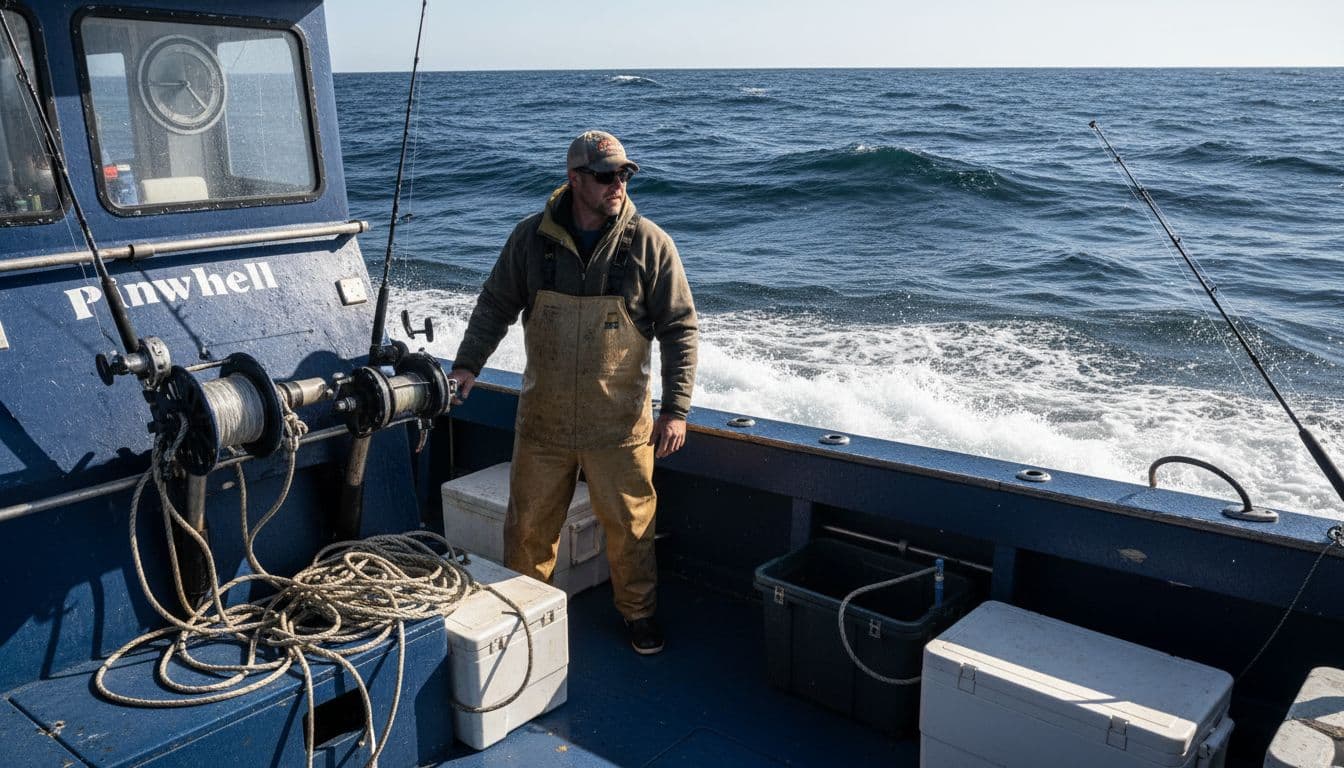
Reported season totals show why Tyler stayed in the conversation. Public roundups have credited him with strong catch earnings, including about $100,861 in 2013 and roughly $119,741 in 2018. He also posted several second-place type finishes around the $100,000 mark. That’s real money, and it helps explain why fans keep looking him up.
Still, fame from Wicked Tuna isn’t only about fish sales. Tyler also picked up brand value from the show, including merchandise tied to Pinwheel and the kind of publicity most working captains never get. That’s the sneaky part of reality TV. The fish pay one way, while the exposure pays another.
So, no, Tyler didn’t become a tabloid-style mega mogul from bluefin alone. But he did turn a hard, dangerous trade into a business with more than one income stream. That’s a pretty smart catch.
Breaking down Wicked Tuna captain pay, because gross earnings aren’t net worth
Here’s the part that trips people up. A captain’s pay on Wicked Tuna doesn’t come from one neat paycheck. It usually comes from episode fees, fish sales, side deals, and whatever brand income the show creates.
Public reporting often places Tyler’s TV pay near $10,000 per episode, which lines up with several cast salary breakdowns, including Looper’s look at Wicked Tuna cast pay and a later StreamDiag salary roundup. That’s strong money, but it’s only one slice of the pie.
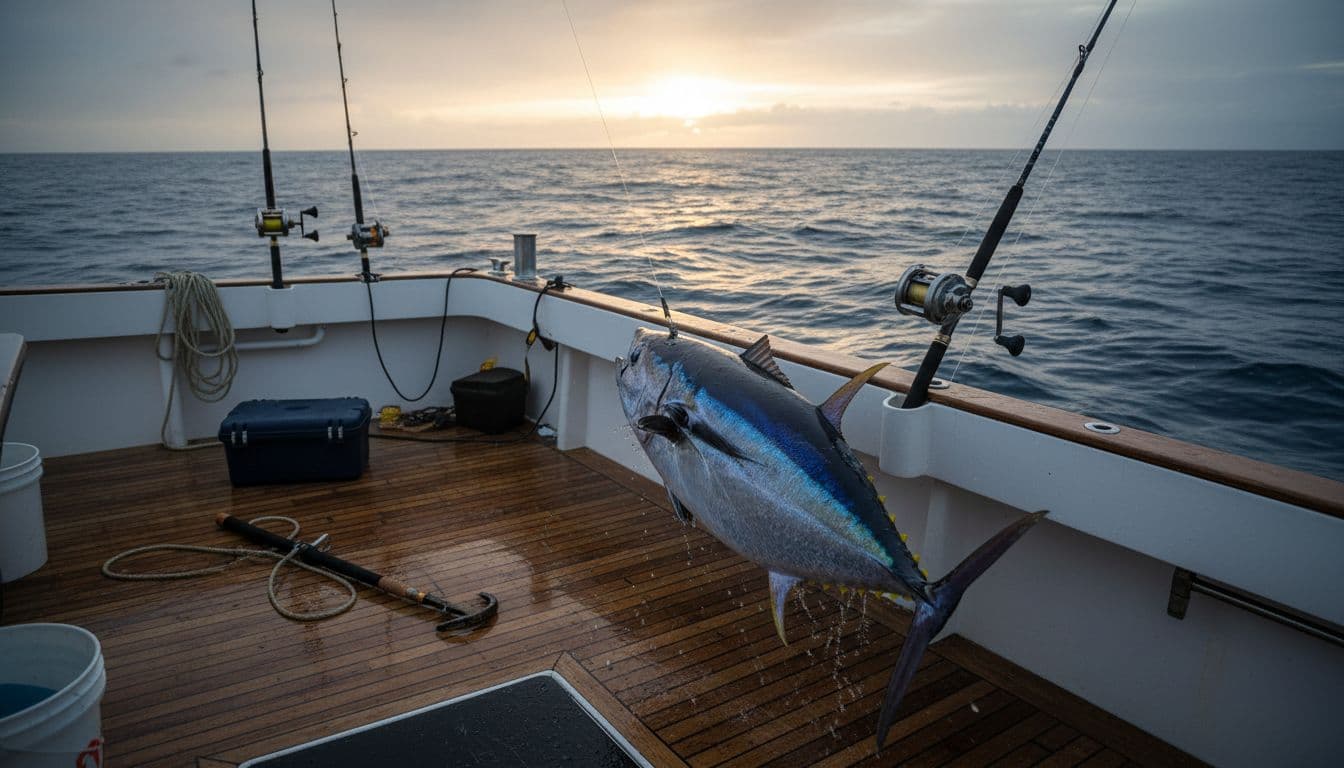
This quick breakdown shows where the money likely comes from:
| Income source | Estimated impact | Why it matters |
|---|---|---|
| TV episode pay | Around $10,000 per episode | Gives steady cash during filming |
| Bluefin catch earnings | Big upside in strong seasons | Can push six-figure seasonal totals |
| Merchandise and promos | Smaller, but useful | Adds income beyond the dock |
| Boat ownership | Asset and expense | Helps value, but drains cash too |
The table tells the real story. Tyler can bring in healthy revenue, but plenty of it never sticks.
TV makes tuna fishing look like a floating ATM. In real life, captains pay crews, fuel, insurance, maintenance, and dock costs before they pay themselves.
That’s why a season with strong catch numbers doesn’t always create a giant net worth jump. The Pinwheel has to be maintained. The crew has to get paid. Gear breaks, fuel burns, and repairs don’t care about your screen time. That’s the difference between headline money and take-home money.
Tyler McLaughlin net worth estimate for 2026
Based on public estimates that cluster around $400,000, reported episode pay near $10,000, past catch totals, and his extra income from merchandise and promotions, a fair Tyler McLaughlin net worth estimate for 2026 is $500,000.
That number feels more believable than the wild millionaire claims floating around online. One report has tossed out a much bigger total, but it doesn’t match the rest of the public record. More grounded sources, such as this Net Worth Post estimate, stay far lower, and that fits the business better.
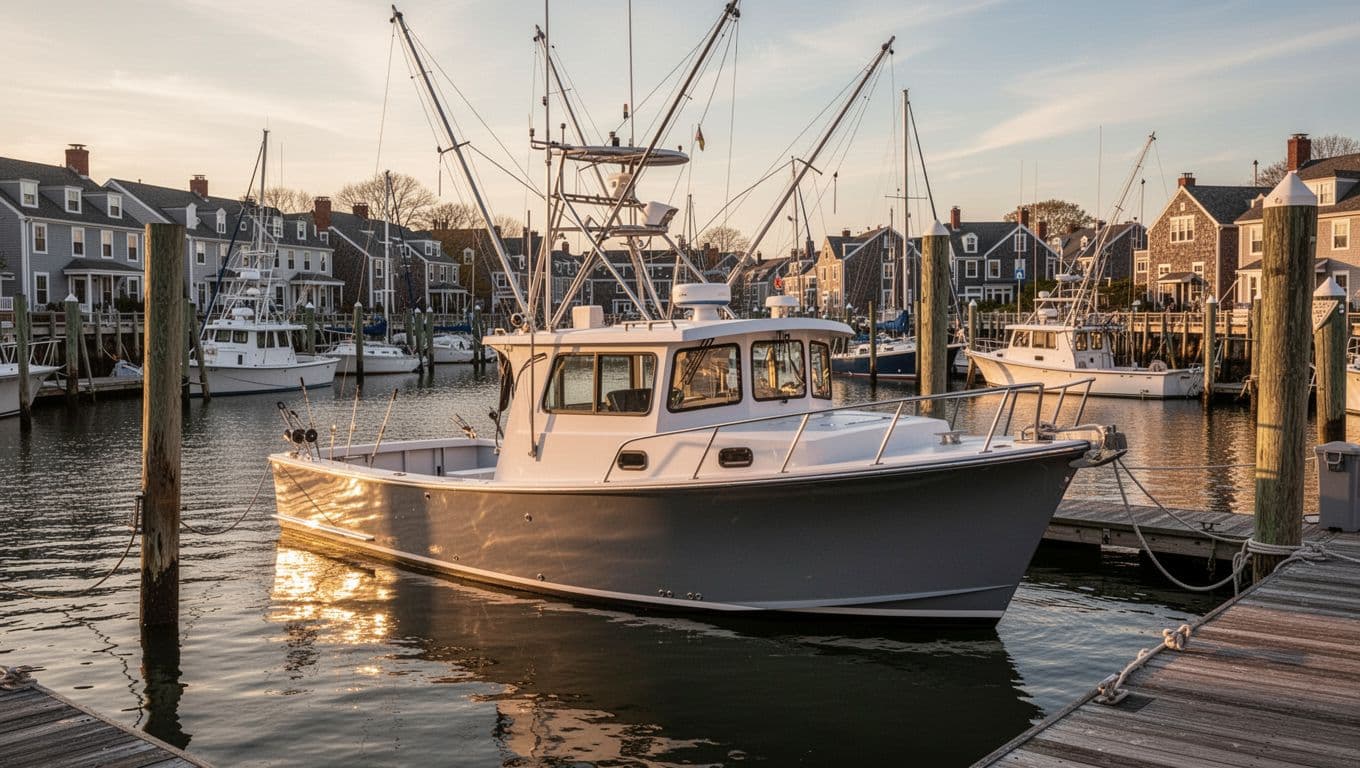
Why peg him around $500,000 instead of the older $400,000 figure? Because the older number likely misses some later earnings, brand value, and the simple fact that Tyler remained one of the better-known captains from the franchise. At the same time, there hasn’t been a major public 2026 update that would support some jaw-dropping eight-figure leap. In other words, the estimate can move up a bit without turning into fantasy football for accountants.
The Pinwheel also matters here. A working fishing boat is an asset, but it isn’t a piggy bank. It holds value, yet it also comes with costs that can bite hard. So when readers see catch totals and assume instant riches, they miss the part where the ocean sends the bill.
Tyler’s financial lane looks more like a strong blue-collar success story with TV juice than a celebrity cash explosion. That’s still impressive. Not every reality star can say their paycheck came with salt spray and a hundred-pound fish on the line.
Tyler McLaughlin isn’t broke, and he isn’t secretly sitting on mansion-money from one cable hit. The most sensible 2026 read is about $500,000, with Wicked Tuna captain pay near $10,000 an episode and fishing income doing the heavy lifting.
If a flashy headline claims he’s worth tens of millions, treat it like dock gossip. Fun to hear, maybe, but not the number to bet your tackle box on.

A giant bluefin can be worth more than a decent used car, so it makes sense that fans want to know how much Captain Dave Marciano has stacked up. If you’ve watched Wicked Tuna, you already know he never came off like a flashy reality star. He looked more like a guy who’d rather fix a line than pose for a magazine cover.
That matters, because Dave Marciano net worth in 2026 looks less like Hollywood money and more like solid, hard-earned waterfront money. The best estimate sits in the middle of the splashy claims, and the details get more interesting once you break down his TV pay, tuna income, and side businesses.
The best estimate for Dave Marciano net worth in 2026
Dave Marciano built his name as the captain of Hard Merchandise and one of the most recognizable faces on Wicked Tuna. He wasn’t famous first and then handed a boat. It was the other way around, which makes the money story more believable.
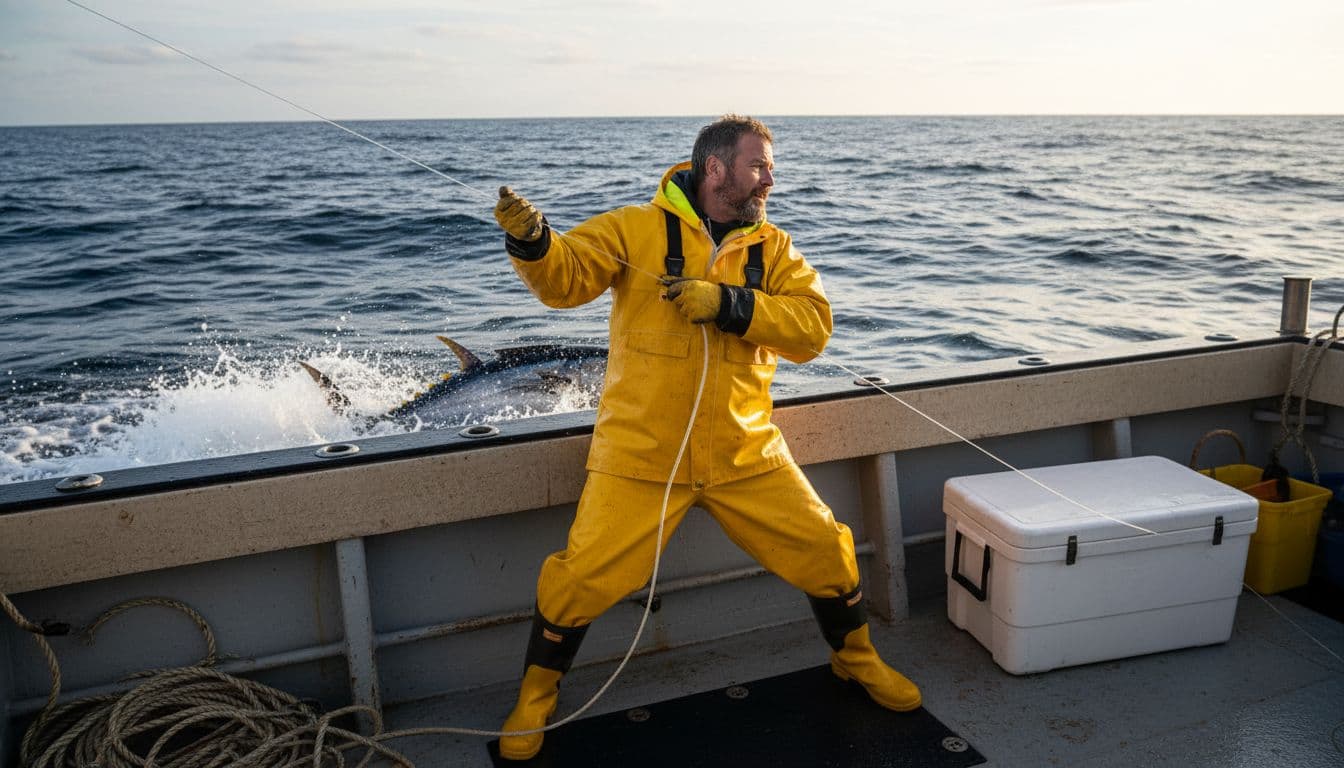
Public estimates are all over the place. Net Worth Post’s January 2026 estimate puts him at $500,000. Other widely repeated profiles and recent web summaries place him closer to $600,000 on the low side, while some newer reports stretch as high as $1.5 million. That spread is huge, and it usually means one thing: nobody has official books.
Here’s the quick snapshot of the numbers floating around online:
| Source range | Figure | What it suggests |
|---|---|---|
| Older celebrity profiles | $500,000 to $600,000 | Built from fishing and TV |
| Recent higher-end reports | Up to $1.5 million | Assumes strong TV and business income |
| Best blended estimate for 2026 | $900,000 | Most realistic middle ground |
A middle estimate makes the most sense. Dave had years of TV exposure, but he never looked like someone cashing giant blockbuster checks. Also, Wicked Tuna income wasn’t his only lane. He had commercial fishing, charter-style work, and branded merchandise tied to Hard Merchandise.
Best estimate for Dave Marciano net worth in April 2026: about $900,000.
That figure fits the evidence better than the extremes. It respects the low-end reports, gives weight to his long run on television, and avoids the fantasy that every reality captain turns into a millionaire many times over.
Breaking down Wicked Tuna captain pay
Here’s where things get juicy. Captain pay on Wicked Tuna has never been laid out in a clean public contract, so most salary numbers come from entertainment reporting and cast estimate roundups. Still, the same figure keeps popping up for Dave: around $83,000 per episode.
Both Looper’s breakdown of Wicked Tuna pay and Tuko’s 2026 salary roundup cite captain earnings in that range, with Dave often listed among the top earners. That’s a serious number, but it needs a reality check. Per-episode pay is gross income, not take-home money. Taxes bite. Boat costs bite harder. Crew cuts, fuel, repairs, bait, and gear can chew through cash like a hungry propeller.
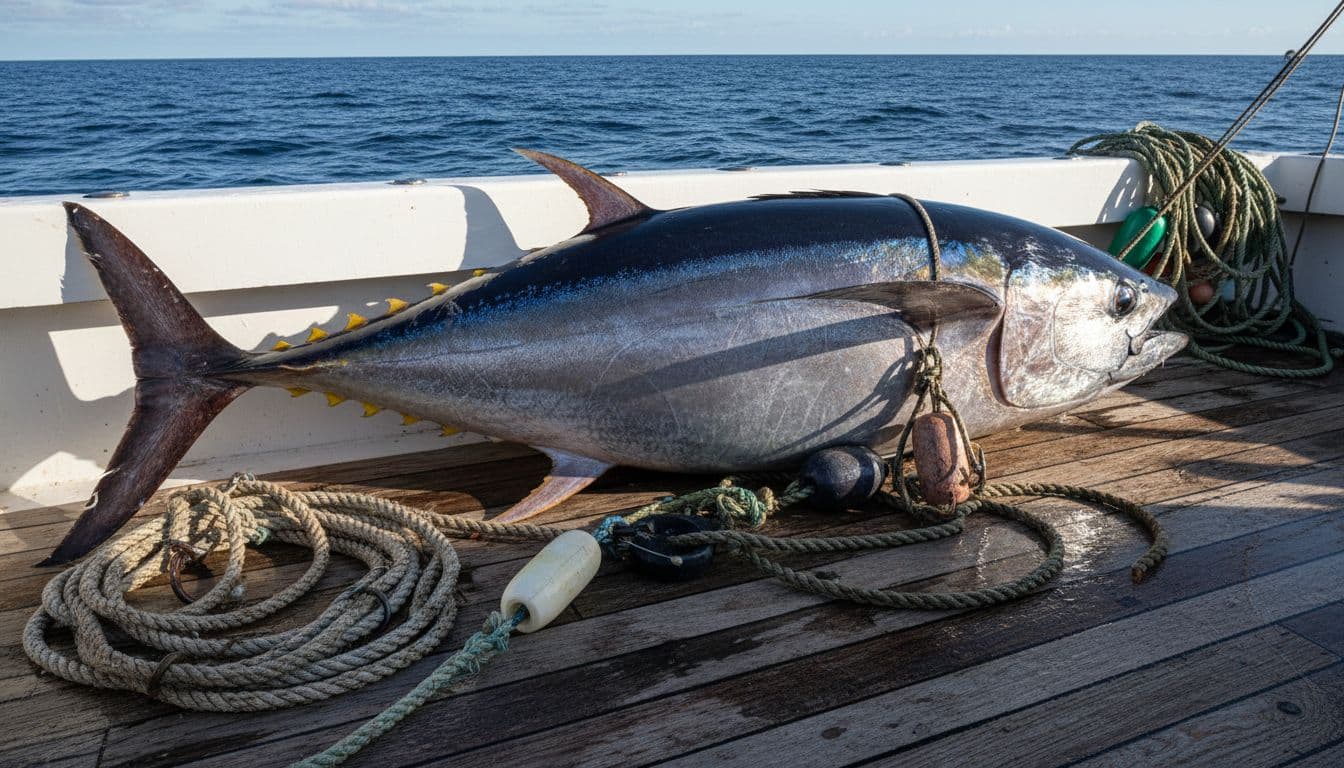
Then there’s the fish money. Some reports say a single premium bluefin can sell for around $20,000, though the real number swings with size, quality, season, and market demand. On paper, that sounds like instant riches. In practice, it’s more like hitting a big score and then watching expenses line up at the dock with their hands out.
There’s another wrinkle. StreamDiag’s cast salary report says the series was canceled in August 2024. So when people talk about Dave Marciano’s 2026 captain pay, they usually mean the reported pay rate he earned during the show’s run, not a fresh paycheck arriving this year.
That changes the picture. TV helped build his net worth, but it likely isn’t the main engine now.
Where Dave Marciano’s money likely comes from now
Once the cameras cool off, the real test starts. Can a TV fisherman still make strong money without weekly episodes? In Dave’s case, the answer is probably yes, though not at reality-star fantasy levels.
He has a long fishing background, reportedly stretching back decades before television found him. That matters because long-term captains don’t rely on one lucky season. They work, adapt, and build side income where they can. Reports tied to his public profile also mention the Hard Merchandise apparel business, which gives him one more stream beyond catching fish.

The boat itself matters, too. A known vessel becomes a brand. Fans remember the name, tourists recognize it, and charters or related sales can ride that fame. That doesn’t mean the boat is a magic ATM. Boats are more like floating invoices with engines. Still, a recognized brand has value, and Dave spent years building one.
So when you add up the parts, his money likely comes from four buckets: past TV salary, commercial tuna fishing, brand-related sales, and boat-linked business activity. None of those alone screams mega-wealth. Together, they support a solid estimate around $900,000.
That’s why the lower $500,000 figure feels a bit thin in 2026, while the $1.5 million claim feels a touch glossy. Dave sits in the middle, with a career that looks durable, practical, and a lot less fake than many reality TV paydays.
The bottom line on Dave Marciano’s 2026 fortune
If you expected yacht-club billionaire money, Dave Marciano isn’t that guy. If you expected a working captain who turned TV fame into a respectable nest egg, that picture fits much better. $900,000 is the smartest estimate for Dave Marciano net worth in 2026, with reported Wicked Tuna pay of about $83,000 per episode doing much of the heavy lifting.
That makes his story more fun, not less. He didn’t build his name with red carpets. He built it with rough water, big fish, and a boat called Hard Merchandise.

If you expect yachts, bottle service, and diamond-dusted selfies, Matt Raney is not that guy. His fame as a reality TV star came with mud, chainsaws, rough Alaska weather, and a whole lot of lumber.
That’s why Matt Raney net worth is such a fun topic. The money story is more log cabin than Hollywood mansion. As of April 2026, no official figure has been released, but the clues point to a pretty believable estimate.
Key Takeaways
- Matt Raney net worth sits at about $400,000 in 2026, built from Homestead Rescue pay, construction work, and practical assets like trucks and tools—no yachts or mansions here.
- He likely earns $7,500 per episode on Homestead Rescue, translating to $60,000–$90,000 per season for 8–12 episodes, the biggest slice of his income pie.
- Side hustles like his Alaska Stone and Log construction business, hunting gigs, and off-grid builds with dad Marty add backbone to the estimate.
- Compared to Marty Raney’s low seven figures, Matt’s more blue-collar pro, reflecting his muscle-and-build role on the show.
- Fame comes from sweat and skills, not drama, keeping his money story real and grounded in Alaska wilderness life.
Matt Raney net worth in 2026, the best estimate
Net worth estimation for 2026, based on older online estimates, the long run of Homestead Rescue, and typical cable reality pay, puts Matt Raney’s net worth at about $400,000.
That number fits the public picture. Older estimates floated closer to $250,000. Since then, the show kept rolling, the Raney family name stayed in the spotlight, and Matt kept building his value on and off camera. A jump to $400,000 doesn’t need magic math. It only takes years of TV income, side work, and some sensible saving.
He also sits in a different lane from his dad, Marty Raney, or sister, Misty Raney. Marty Raney net worth lands in the low seven figures, while Misty Raney net worth sits lower, reflecting their roles in the family business. Matt has strong name recognition, but he still feels more like a skilled working pro than a polished TV mogul.
Best estimate for 2026: Matt Raney is worth about $400,000, with TV pay as the biggest public-facing income source.
Net worth also isn’t just cash. It can include savings, equipment, vehicles, and the value tied to a practical trade. So no, Matt probably isn’t buying a private island. Still, he’s likely doing far better than the average guy swinging a hammer.
Why Matt Raney became a fan favorite
Matt doesn’t stand out because of tabloid chaos or a loud reality-TV gimmick. He stands out because he looks like the person you’d call if your roof caved in during a snowstorm.

On Homestead Rescue, he’s the muscle-and-build guy. Guided by his father and mentor Marty Raney, he showcases survival skills and homesteading techniques while handling structural work, tools, rough terrain in the Alaskan wilderness, and the kind of fixes that embody living off the land, all of which make viewers think, “Yeah, I’d want him on my team.” That practical role on Homestead Rescue helped turn him into a low-key star.
The Discovery Channel’s Homestead Rescue has now been around for years, and that matters. A long-running series can turn a skilled expert into a dependable earner, even without flashy celebrity behavior. That’s the secret sauce here. Viewers don’t watch Matt for red-carpet drama. They watch because he looks useful.
That same image shows up in older cast rundowns like Net Worth Post’s Matt Raney update. The public story stays pretty consistent, Matt’s appeal comes from hands-on skill, not noise.
Homestead Rescue pay, what Matt likely earns per episode
Discovery Channel isn’t posting cast contracts for the world to inspect, so the salary side has to be estimated. Still, there’s enough chatter out there to make a grounded call when it comes to the reality television show Homestead Rescue.
A fair estimate is that Matt’s salary per episode is about $7,500. If he appears in roughly 8 to 12 episodes in a season, that puts his likely seasonal pay around $60,000 to $90,000 before taxes, travel, and regular life expenses.
That estimate lines up with broader reality-TV chatter in Net Worth Post’s cast pay breakdown and newer family earning talk at TheThings’ Raney salary article. Neither gives a signed contract, but both support the idea that veteran cable personalities like Matt and Marty Raney, along with the rest of the Raney family, can make solid money per episode for Homestead Rescue.
Television production realities mean a TV paycheck can look chunky on paper and shrink fast in real life. Taxes take a bite. Travel costs money. Tools, trucks, repairs, and downtime between shoots also chip away at earnings. So even if Matt pulls in a healthy season check like Marty Raney likely does, that doesn’t mean every dollar sticks around long enough to become net worth.
Where the rest of Matt Raney’s money likely comes from
TV probably gets him the spotlight, but it likely doesn’t do all the heavy lifting. Matt’s entire brand is built on the fact that he can do real work off-camera too, including running his construction business, Alaska Stone and Log.
That means construction, homestead building like off-the-grid homes near Hatcher Pass, repair jobs, building upkeep, and other practical labor likely add another income stream. His hunting expertise supports hunting and fishing ventures, along with food preservation skills that tie into self-sufficient living projects often done with his father, Marty Raney, in Alaska. Hard assets matter as well. Trucks, tools, equipment, and similar work gear can carry real value when you estimate someone’s balance sheet, especially for someone like Matt who collaborates with Marty Raney on hands-on builds.

This rough snapshot shows how a $400,000 estimate can make sense:
| Piece of the puzzle | Estimated value |
|---|---|
| TV earnings saved over time | $170,000 |
| Construction and labor income retained | $110,000 |
| Trucks, tools, and equipment equity | $70,000 |
| Miscellaneous savings and appearance income | $50,000 |
The takeaway is simple. Homestead Rescue likely supplies the biggest checks, but Matt’s trade work gives the number its backbone.
Frequently Asked Questions
What is Matt Raney’s net worth in 2026?
Matt Raney’s best-estimated net worth for 2026 is $400,000, pieced from TV earnings, construction income, and gear equity. It’s up from older $250,000 guesses thanks to steady Homestead Rescue runs and smart saving. No official numbers, but the clues fit his rugged, no-frills lifestyle.
How much does Matt Raney earn per episode on Homestead Rescue?
A solid estimate puts Matt at $7,500 per episode, with 8–12 episodes per season netting $60,000–$90,000 before taxes and expenses. That lines up with reality TV chatter for veteran cable stars like the Raneys. Real life—travel, tools, taxes—eats into the check quick.
What are Matt Raney’s other income sources besides TV?
Matt runs Alaska Stone and Log for construction and homestead builds near Hatcher Pass, plus hunting, fishing, and self-sufficiency projects with Marty. These trades, plus trucks and equipment value, pad his net worth beyond show pay. It’s all practical work that matches his on-screen skills.
How does Matt’s net worth compare to Marty and Misty Raney?
Matt’s $400,000 trails Marty’s low seven figures, thanks to Marty’s longer career and bigger business footprint, but sits similar to Misty’s. The family stays blue-collar experts over celeb moguls. Matt’s muscle role keeps him earning strong without the top-dog spotlight.
Why doesn’t Matt Raney seem like a TV millionaire?
Matt sells competence over glam—think log cabins, not red carpets—which ties his wealth to off-grid gear and Alaska costs that burn cash fast. Homestead Rescue pays well, but it’s sweat-earned, not smoke-and-mirrors fame. His story feels real in a fake celeb world.
Why Matt Raney doesn’t look like a reality-TV millionaire
Some reality stars sell glam. Matt sells competence. That’s less flashy, but it’s also why people trust him.
The Raney family has always felt more workshop than red carpet. Their legacy centers on sustainable living and self-sufficiency, so even if Matt has built a healthy net worth, much of it is probably tied to practical stuff that supports off-grid living, not flashy toys. Off-grid living in Alaska can eat money fast. Fuel, repairs, hauling, land, and heavy gear aren’t cheap.
Family comparisons tell the same story. In older cast breakdowns like TVShowcast’s Raney family profile, Marty Raney usually lands higher because he has the longer career and wider business footprint. Matt earns well alongside Misty Raney and Marty Raney, but their lane still looks more blue-collar expert than full-time celebrity machine, especially when compared to shows like Alaskan Bush People. Marty Raney has leveraged self-sufficiency into broader ventures.
If you came here hoping for a wild eight-figure bombshell, Matt Raney isn’t serving that. The best 2026 estimate is $400,000, and his Homestead Rescue pay likely lands around $60,000 to $90,000 per season.
That’s still a strong number for someone whose fame comes from sweat, timber, and problem-solving. In a celebrity world packed with smoke and mirrors, Matt’s money story feels refreshingly real, rooted in Homestead Rescue and life in Alaska. His Matt Raney net worth reflects that grounded reality.
-
 Celebrity Info3 months ago
Maya Oakley: A Journey of Lifestyle and Resilience in the Face of Illness
-
 Celebrity Info3 years ago
Freddy Dodge Net Worth, Personal Life, Passions, and Role in Gold Rush
-
 Celebrity Info3 years ago
Carl Rosk From Gold Rush | What Happened To Him?
-
 Celebrity Info3 years ago
Shane Oakley: Dr. Michelle Oakley’s Family-Oriented Husband and Sports Enthusiast
-
 Celebrity Info3 years ago
Mitch Blaschke Net Worth – Age, Personal Life and Role in Gold Rush
-
Celebrity Info2 years ago
Josephine Archer Cameron – Daughter of the Famous Movie Maker James Cameron
-
 Celebrity Info3 years ago
Tyler Mahoney Net Worth, Relationship with Parker Schnabel, And Role in Gold Rush
-
 Celebrity Info3 years ago
Jim Thurber Net Worth – Personal Life and Role in Gold Rush